

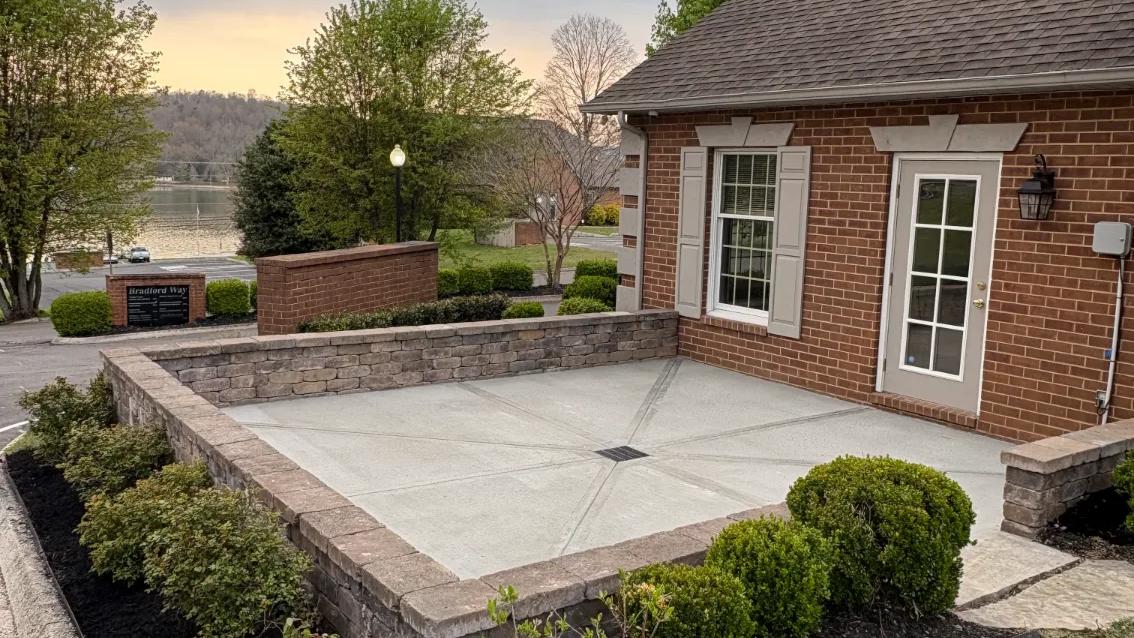
If you have ever tried to keep a thirsty, high-maintenance landscape looking perfect through an East Tennessee summer, you already know the pain points. We get long stretches of heat and humidity, sudden downpours, compacted clay soils, and then dry spells that stress plants right when you want your yard to shine. The good news is that native plants East Tennessee landscapes evolved with can handle those swings far better than many common “pretty but picky” ornamentals.
At Rock Solid here in Kingston, we design and install landscapes that look great without demanding constant watering, fertilizing, and replacing. In this guide, we will walk you through native and adaptive plants that thrive in our region, plus practical layout tips we use on real properties across lakeside neighborhoods, wooded lots, and sloped yards. You will learn what to plant for sun and shade, which picks are strong options for plants for clay soil Tennessee homeowners deal with, how to support a pollinator garden Tennessee style without turning your yard into a science project, and what to do when deer pressure is high.
Why native and adaptive plants are a smart fit for East Tennessee
Choosing native and well-adapted plants is one of the most reliable ways to achieve low maintenance landscaping East TN homeowners actually enjoy living with.
They handle our weather swings better
East Tennessee summers are not just hot, they are humid, and that combination drives disease pressure on stressed plants. Natives typically have better built-in tolerance for:
- Heat and humidity
- Periodic drought once established
- Heavy rain events and runoff
- Local pests and common fungal issues
That does not mean “no maintenance,” but it often means less intervention to keep plants healthy.
They work with clay soils instead of fighting them
From our install experience, the biggest clay-soil failures happen when plants that demand sharp drainage are placed in low spots or when mulch is piled too high against stems. With the right plant choices and bed construction, clay is manageable.
They reduce irrigation needs after establishment
For most landscapes, the first 8 to 12 weeks after planting are the critical window. After that, many native and adaptive options become surprisingly resilient. If you want drought tolerant plants Tennessee homeowners can rely on, start by matching the plant to the site conditions, then water deeply and less often to encourage deeper roots.
If you want help building a plan that fits your property, our Landscaping team can design beds and plant palettes that look intentional and stay practical.
Start with your site: sun, shade, slope, and deer pressure
Before we talk plant lists, we want you to think like a designer and an installer. The same plant can be “low maintenance” in one spot and a constant headache in another.
Sun vs. shade in real East TN yards
Many yards around Kingston, Lenoir City, and Oak Ridge have a mix of conditions, full sun in the front and dappled shade in the back under mature oaks, maples, or pines.
- Full sun means 6 or more hours of direct sun. These areas can bake, especially near driveways and south-facing walls.
- Part shade is 3 to 6 hours of sun, often morning sun and afternoon shade.
- Full shade is less than 3 hours of direct sun. These areas stay cooler but can be root-competitive and dry under big trees.
We often see homeowners overestimate shade. If you are not sure, watch the area on a clear day and note when the sun hits it.
Slopes and drainage, especially near the lake and in older neighborhoods
Sloped yards are common throughout the region, and they can be tricky because water moves fast. On slopes, we focus on:
- Plants with fibrous roots that hold soil
- Mulch choices that do not wash away easily
- Bed edges and grade transitions that direct runoff away from foundations
For many properties, adding small retaining edges, stone, or terraces makes the planting succeed long-term. That is where our Hardscaping work often pairs naturally with planting improvements.
Deer pressure is real, so plan for it
If you live near wooded edges, greenways, or low-traffic areas, you have probably dealt with browsing. There is no truly “deer-proof” plant, but there are deer resistant plants East Tennessee homeowners have better luck with because of texture, scent, or taste.
- Put deer-favorite plants closer to the house or in fenced areas.
- Use deer-resistant backbone plants in the outer beds.
- Expect seasonal browsing when food is scarce and plan redundancy.
Native and adaptive plant picks that thrive in East Tennessee
Below are plants we regularly recommend for East Tennessee landscapes because they perform well in heat, humidity, and clay when sited correctly. We are including notes on sun, moisture, deer, and what they are best used for.
Native plants East Tennessee homeowners can use as “backbone” shrubs
Shrubs give structure. If you want a landscape that looks good in every season, start here.
Oakleaf hydrangea (Hydrangea quercifolia)
- Light: Part shade to morning sun
- Soil: Tolerates clay if not waterlogged
- Why we like it: Big summer blooms, great fall color, strong texture
- Notes: More reliable than bigleaf hydrangea in many East TN sites because it handles heat better
Oakleaf hydrangea is a strong choice for foundation beds and woodland edges. It also reads “high-end” without being high maintenance.
Virginia sweetspire (Itea virginica)
- Light: Sun to part shade
- Soil: Handles wet spots better than many shrubs
- Why we like it: White flower spikes, excellent fall color, good massing plant
- Notes: Great for the edge of drainage paths or low areas that stay moist
If you have a downspout area that stays damp, sweetspire is often a better solution than trying to fight the moisture.
Inkberry holly (Ilex glabra)
- Light: Sun to part shade
- Soil: Adaptable, prefers consistent moisture while establishing
- Why we like it: Evergreen structure without the “spiky” look
- Deer: Often less browsed than many hollies
Inkberry is a good substitute for boxwood in many designs. It is not identical, but it gives clean structure.
Wax myrtle (Morella cerifera)
- Light: Full sun to part shade
- Soil: Adaptable, handles poor soils
- Why we like it: Fast screening, aromatic foliage
- Deer: Typically a stronger deer-resistant option
Wax myrtle is excellent when you need privacy quickly, but give it room. We often use it as a background plant.
Perennials for color, pollinators, and low watering
Perennials are where you can build long bloom seasons and support beneficial insects without constant replanting.
Purple coneflower (Echinacea purpurea)
- Light: Full sun to part shade
- Soil: Clay tolerant once established
- Why we like it: Long bloom, tough, attracts butterflies
- Maintenance tip: Leave seed heads in fall for birds, cut back in late winter
Coneflower is a cornerstone for a pollinator garden Tennessee homeowners can keep simple.
Black-eyed Susan (Rudbeckia)
- Light: Full sun
- Soil: Adaptable
- Why we like it: Big summer color, reliable performance
This is one of the best “set it and enjoy it” perennials for sunny beds.
Bee balm (Monarda)
- Light: Sun to part shade
- Soil: Likes moisture, but can adapt
- Why we like it: Pollinator magnet
- Reality check: In humid summers, powdery mildew can show up. We place it where airflow is good and avoid overcrowding.
Blazing star (Liatris)
- Light: Full sun
- Soil: Prefers decent drainage, but can handle amended clay
- Why we like it: Vertical purple blooms, butterflies love it
Goldenrod (Solidago)
- Light: Full sun
- Why we like it: Late-season color when other plants fade
- Note: Goldenrod does not cause most seasonal allergies, ragweed is usually the culprit.
Coreopsis (Coreopsis spp.)
- Light: Full sun
- Why we like it: Long bloom, drought tolerant
Coreopsis is one of our go-to picks when clients ask for drought tolerant plants Tennessee landscapes can rely on.
Grasses and sedges for texture and erosion control
Ornamental grasses and grass-like plants are incredibly useful in East Tennessee because they handle heat, stabilize soil, and add movement.
Little bluestem (Schizachyrium scoparium)
- Light: Full sun
- Soil: Handles poor soils and drought
- Why we like it: Blue-green summer color, copper fall tones
- Best use: Massing on slopes, borders, and sunny beds
Switchgrass (Panicum virgatum)
- Light: Sun
- Soil: Adaptable, good for rain garden edges
- Why we like it: Upright form, wildlife value
River oats (Chasmanthium latifolium)
- Light: Part shade to shade
- Soil: Tolerates clay and woodland conditions
- Why we like it: One of the best shade “grasses” for East TN
- Note: It can spread. We plan placement so it looks natural, not messy.
Carex (native sedges)
- Light: Shade to part shade (varies by species)
- Why we like it: Low, tidy texture for shade beds where turf struggles
If you have a shaded side yard that stays thin and muddy, sedges are often a better answer than fighting grass.
Trees that earn their keep in a low-maintenance landscape
Trees are long-term investments. In East Tennessee, the right tree can reduce cooling costs, improve drainage, and create the structure that makes a landscape feel established.
Redbud (Cercis canadensis)
- Light: Sun to part shade
- Why we like it: Early spring flowers, heart-shaped leaves, manageable size
Serviceberry (Amelanchier)
- Light: Sun to part shade
- Why we like it: Spring flowers, berries for birds, fall color
Dogwood (Cornus florida)
- Light: Part shade is often best
- Why we like it: Iconic native flowering tree
- Reality check: Dogwoods can struggle in hot, exposed sites. We place them with afternoon shade and good airflow.
Bald cypress (Taxodium distichum)
- Light: Sun
- Soil: Great for damp areas
- Why we like it: Handles wet feet, strong structure, interesting texture
Shade plants East Tennessee homeowners can count on
Shade is where many landscapes fail because people plant sun-lovers and then wonder why they stretch, mildew, or disappear.
Christmas fern (Polystichum acrostichoides)
- Light: Shade to part shade
- Why we like it: Evergreen fern, tidy habit, great under trees
Heuchera (coral bells, many are native or native hybrids)
- Light: Part shade
- Why we like it: Foliage color, low profile, good edging plant
- Note: In deep shade, choose varieties known for shade tolerance.
Foamflower (Tiarella)
- Light: Shade to part shade
- Why we like it: Spring blooms, soft groundcover feel
Solomon’s seal (Polygonatum)
- Light: Shade to part shade
- Why we like it: Elegant arching form, very low maintenance once established
For deep shade, we often design with layers, small evergreen structure, mid-height perennials, and groundcovers so the bed looks full without needing constant seasonal swaps.
Deer resistant plants East Tennessee landscapes tend to keep intact
Deer behavior varies by neighborhood, but these are commonly better bets.
- Aromatic herbs and perennials: lavender (adaptive), rosemary (adaptive, protect in colder snaps), catmint (adaptive)
- Tough-textured natives: inkberry holly, wax myrtle, little bluestem, many ferns
- Strong-scented or bitter plants: yarrow (adaptive), salvia (adaptive)
We still recommend planning for pressure. If deer are heavy on your property in Roane County or near wooded corridors around Oak Ridge, assume new plantings need protection during establishment.
Layout tips we use to keep landscapes colorful and low maintenance
Plant selection matters, but layout is what makes the landscape easier to live with.
Build “plant communities” instead of one-of-everything
We prefer:
- 3 to 5 repeating species per bed
- Groups of 3, 5, or 7 of the same perennial for visual impact
- A clear evergreen or woody backbone, then seasonal color around it
This approach also makes mulching, pruning, and watering more consistent.
Aim for three seasons of interest
For East Tennessee, we like to map beds like this:
- Spring: redbud, serviceberry, foamflower
- Summer: coneflower, coreopsis, bee balm, oakleaf hydrangea
- Fall: sweetspire color, little bluestem, goldenrod
Winter interest comes from evergreen shrubs, seed heads, and grasses left standing until late winter.
Use mulch and edging correctly (this is where many low-maintenance plans fail)
Mulch is helpful, but it is not a cure-all.
Practical guidelines we follow:
- Keep mulch at about 2 to 3 inches deep
- Keep mulch pulled back from plant crowns and trunks
- Choose heavier mulches on slopes to reduce washout
- Use clean bed lines so turf does not creep into beds
If you are already investing in plants, clean edges and proper bed prep are what protect that investment.
Plan irrigation for establishment, then transition to deep, infrequent watering
Even drought tolerant plants Tennessee homeowners choose need water at first.
- Water thoroughly right after planting.
- For the first month, water 2 to 3 times per week depending on heat and rainfall.
- Months two and three, taper to weekly deep watering.
- After establishment, water only during extended dry periods.
We also recommend checking downspouts and runoff paths. Many “dry” beds are actually getting blasted by roof runoff during storms, then baking dry between rains.
If you want a landscape that stays sharp without constant tinkering, pairing planting improvements with ongoing Property Maintenance can help keep pruning, mulching, and bed edges on a predictable schedule.
Real-world scenarios we see in Kingston, Knoxville, and surrounding areas
Here are a few common property types we work on, and how we approach plant choices.
1) Full-sun front yard with reflective heat
This is common in newer subdivisions around Knoxville and Lenoir City. Heat reflects off driveways and brick, and irrigation coverage is often uneven.
What we do:
- Use sun-tough perennials like coneflower, coreopsis, rudbeckia
- Add structure with inkberry or wax myrtle where appropriate
- Include grasses like little bluestem for drought tolerance and movement
- Keep plants off the curb line enough to avoid salt and heat stress from pavement
2) Shady backyard under mature trees
This is common in established neighborhoods near Loudon and older parts of Oak Ridge.
What we do:
- Use shade plants East Tennessee yards can support, like Christmas fern, sedges, coral bells
- Improve soil with compost topdressing rather than deep digging that damages roots
- Choose a few masses instead of many small plants to reduce maintenance
3) Sloped side yard with runoff and erosion
This is a big one around hilly lots and lake-adjacent properties.
What we do:
- Stabilize with grasses like little bluestem and switchgrass
- Use shrubs like sweetspire to knit soil together
- Consider small hardscape solutions when grade is steep, our Hardscaping team often adds steps, small retaining edges, or defined terraces
How to keep a native-forward landscape looking intentional (not “wild”)
Use clean borders and repetition
Native plantings look polished when they have:
- A defined bed edge
- Repeating plant groups
- A clear height transition, low to tall
Leave some structure through winter
Cutting everything down in fall can make beds look bare and can remove habitat. We often recommend:
- Leave grasses and seed heads through winter
- Cut back in late winter before spring growth starts
This is also when we handle pruning and cleanup during maintenance visits.
Add lighting to highlight texture and improve safety
Native grasses and shrubs look great after dark with the right lighting. If you want ideas that pair well with plantings, see our post on Outdoor Lighting Ideas for safer, better yards in Oak Ridge.
A quick note on patios, walkways, and plant health
Hardscape choices affect plant performance more than most homeowners realize. Impermeable surfaces can change drainage patterns, concentrate runoff, and increase reflected heat.
If you are planning a new patio, the material choice can impact nearby planting beds. Our comparison post, Paver Patio vs. Concrete Patio in Knoxville: What’s Best?, covers drainage and durability considerations that matter in East Tennessee.
Conclusion
If you are ready to upgrade your beds, reduce watering, and build an outdoor space that looks great year after year, we would love to help. Explore our Landscaping services, or if your project includes grading, steps, or patios, see our Hardscaping options. We serve Kingston and surrounding communities across Roane County, and we can recommend a plant plan that fits your property and your maintenance goals.


