

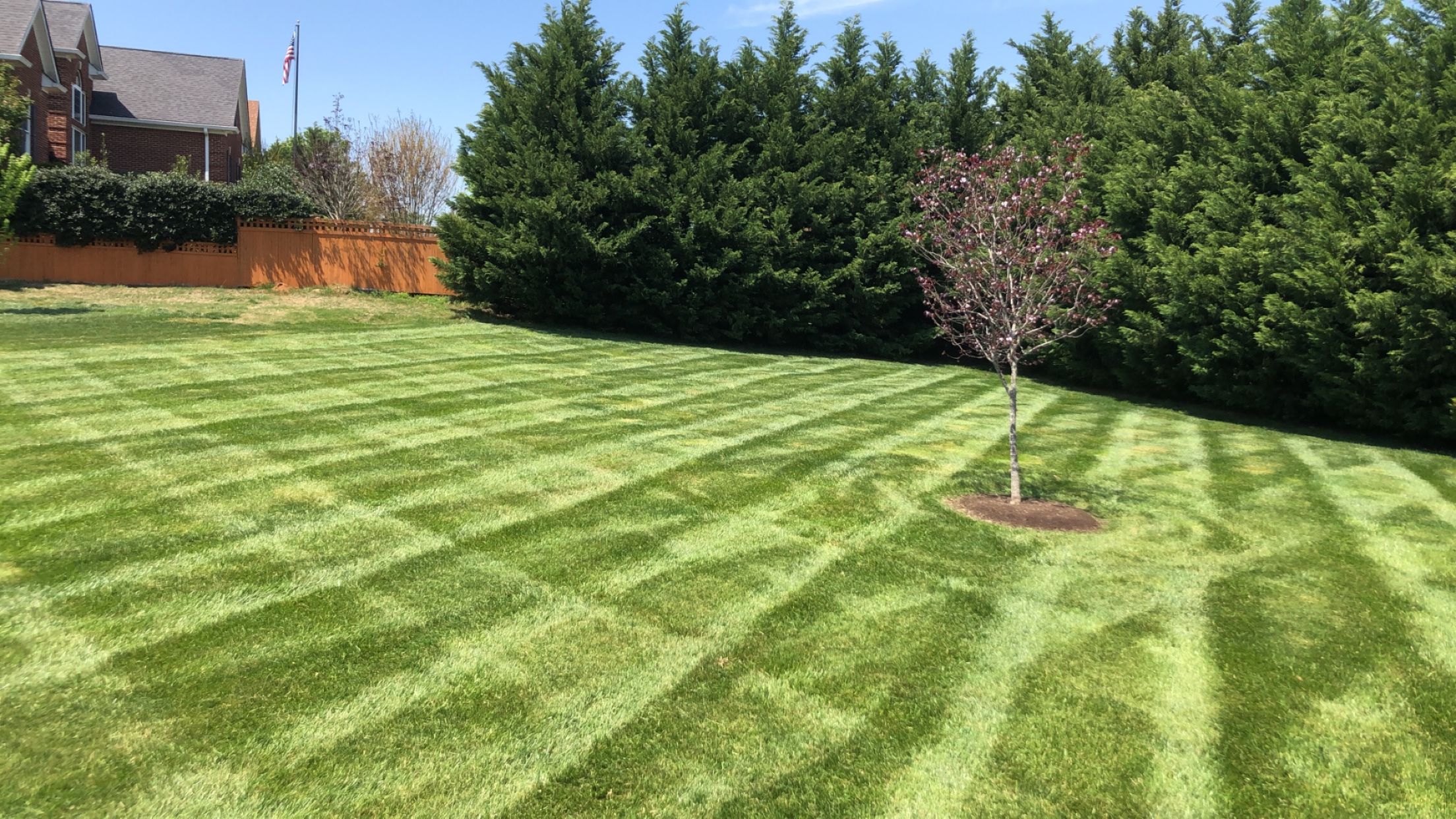
Thin, patchy grass is one of the most common frustrations we see around Kingston and across East Tennessee. One yard bakes in full sun all afternoon, another sits under mature oaks, and most of us are dealing with heavy clay, compacted soil, and summer humidity that can turn a lawn disease problem into a lawn replacement project.
If you are searching for the best grass for East Tennessee, you are really asking a bigger question: which turf can handle our heat, our shade patterns, our soil, and your tolerance for maintenance.
In this guide, we break down tall fescue vs bermuda in Tennessee, including real-world performance in Roane County and nearby communities. We will cover where each grass shines, where each one struggles, what it takes to keep it healthy, and when sod vs seed in East Tennessee makes the most sense for your timeline and budget.
East Tennessee lawn conditions that matter most
Choosing turf here is not just about looks. It is about matching the grass to the site.
Summer heat, humidity, and drought stress
From late May through September, we routinely see long hot stretches where daytime highs sit in the upper 80s to 90s. Humidity stays high, and rainfall can be feast or famine. That combination drives three major lawn problems:
- Heat stress on cool-season lawns (especially tall fescue) in full sun
- Drought stress on shallow-rooted turf or compacted soil
- Fungal pressure (brown patch, dollar spot, and other diseases) when nights stay warm and the lawn stays wet
Warm-season grasses like bermuda generally thrive in this window. Cool-season grasses like tall fescue can still do well, but only when we manage irrigation, mowing height, and fertility carefully.
Shade from hardwoods and neighborhood tree canopies
Many Kingston neighborhoods and lake-area properties have mature trees. Shade is not just “less sun.” It also means:
- More competition for water and nutrients from tree roots
- Slower drying after rain or irrigation, which increases disease pressure
- Thin turf that invites weeds and moss
If your lawn gets less than about 6 hours of direct sun, bermuda usually struggles. Tall fescue is often the better fit for shade tolerant grass in Tennessee, especially when combined with smart pruning and soil improvement.
Clay soil, compaction, and drainage
- Roots have a harder time pushing deep, which reduces drought tolerance
- Water sits longer at the surface, which increases disease risk and can suffocate roots
In our Property Maintenance visits, we see lawns that look like they “need more seed,” when the real issue is soil structure and compaction. Aeration, topdressing, and drainage corrections can matter as much as the grass type.
Tall fescue in East Tennessee: when it is the right choice
Tall fescue is a cool-season grass. In East Tennessee, it is popular because it stays green longer in spring and fall and can handle moderate shade better than bermuda.
Pros of tall fescue for Kingston and surrounding areas
Tall fescue can be an excellent answer for lawn grass in Kingston TN when the site fits.
- Better shade performance than bermuda. It is not a true “deep shade” solution, but it holds up better under partial shade.
- Greener shoulder seasons. It looks great in spring and fall when bermuda is still waking up or already going dormant.
- Clumping growth habit can be an advantage for repair. You can overseed and renovate without the lawn aggressively creeping into beds.
- Comfort underfoot for families and pets, especially in cooler months.
Cons and common failure points we see
Tall fescue struggles when it is treated like a set-it-and-forget-it lawn.
- Summer stress in full sun. Tall fescue can thin out in July and August, especially on south-facing slopes or areas near pavement.
- Disease risk. Brown patch is a common issue during warm, humid nights, especially when lawns are overwatered or over-fertilized with nitrogen.
- Needs overseeding. Most tall fescue lawns in our region need fall overseeding to stay dense.
If your lawn is wide open, full sun, and you do not want to irrigate much, tall fescue often becomes a yearly renovation cycle.
Tall fescue maintenance basics (what we recommend)
For a healthy cool-season lawn, consistency is everything.
- Mowing height: Keep tall fescue around 3.5 to 4 inches in the growing season. Taller mowing shades the soil and reduces stress.
- Watering: Water deeply and less often. Aim for about 1 inch per week total in dry periods, applied in early morning.
- Fertilizing: Focus on fall. The best feeding window is September through November. Go lighter in spring to reduce summer disease pressure.
- Aeration and overseeding: Core aerate and overseed in early fall for the best germination and root development.
When we do lawn renovation in Tennessee, fall is where tall fescue wins. The soil is still warm, weeds are slowing down, and roots can establish before summer.
Bermuda grass in East Tennessee: when it is the right choice
Bermuda is a warm-season grass. In our area, it loves heat, sun, and traffic. If you have a bright, open yard and want a lawn that can take summer abuse, bermuda is often the most durable option.
Pros of bermuda for East Tennessee heat and sun
Bermuda is a workhorse in the right conditions.
- Excellent heat tolerance. It thrives in the hottest part of the year.
- Strong drought recovery. Once established, it can bounce back after dry spells better than most cool-season turf.
- Aggressive spread. It fills in bare spots quickly through stolons and rhizomes.
- Great for high traffic. Kids, pets, and frequent use are easier on bermuda than on tall fescue.
For many full-sun properties in Knoxville and Lenoir City, bermuda provides the “thick summer carpet” look homeowners want.
Cons and common complaints
Bermuda is not the best grass for East Tennessee in every yard, especially if shade is involved.
- Poor shade tolerance. If you have tree cover, bermuda thins fast, then weeds take over.
- Dormant winter color. Bermuda turns brown after the first hard frosts. Some homeowners dislike the winter look.
- Can invade beds and edges. Its aggressive growth is great for filling in, but it also creeps into mulch beds and landscape borders.
- Spring green-up timing varies. In cooler springs, bermuda may stay dormant longer than you expect.
Bermuda maintenance basics (what we recommend)
Bermuda rewards a more “golf course” style of care, even at a basic homeowner level.
- Mowing height: Typically 1.5 to 2.5 inches for many residential lawns, depending on mower type. Mow frequently in peak growth.
- Fertilizing: Feed during active growth, usually late spring through summer. Avoid heavy nitrogen too early.
- Weed control: Pre-emergent timing is critical because thin spots in spring invite crabgrass and other annual weeds.
- Watering: It still needs water in drought, but it handles short dry periods better than tall fescue.
If your yard is open and sunny, bermuda can reduce the need for repeated reseeding compared to cool-season lawns.
Tall fescue vs bermuda Tennessee: how we help homeowners choose
When homeowners ask us to pick between fescue and bermuda, we start with the site and the lifestyle, not a one-size-fits-all answer.
Step 1: Measure sun exposure honestly
This is the biggest decision factor.
- 6 to 8+ hours of direct sun: Bermuda is usually on the table.
- 4 to 6 hours of sun (filtered or partial): Tall fescue often performs better.
- Less than 4 hours: Turf struggles in general. We often recommend reducing lawn area and using landscape beds or groundcovers instead.
If you are already investing in a new outdoor layout, pairing turf choices with smart bed placement can make maintenance easier. Our Landscaping team often redesigns high-shade zones to reduce the “constant patching” problem.
Step 2: Decide what season you care about most
Ask yourself which months you want the lawn to look its best.
- If you want green in spring and fall, tall fescue has an edge.
- If you want peak performance in summer, bermuda has an edge.
Some homeowners choose tall fescue knowing it may thin a little in summer, then plan for fall recovery. Others choose bermuda and accept winter dormancy.
Step 3: Be realistic about irrigation and maintenance
- If you do not want to irrigate much, bermuda generally tolerates summer better.
- If you can water and you prefer a cool-season look, tall fescue can be beautiful.
- If you want the lowest stress approach, we often recommend improving soil health first, then choosing turf.
In Roane County, we frequently see lawns on slopes or near lakeside areas where runoff and compaction are bigger issues than the seed choice itself.
Sod vs seed East Tennessee: which is better for fescue and bermuda
Homeowners often assume sod is always better. In reality, sod vs seed in East Tennessee depends on timing, budget, and how quickly you need results.
When sod makes the most sense
Sod is the fastest way to get an instant lawn, but it is not maintenance-free.
Sod is usually the best choice when:
- You need immediate erosion control on slopes or after construction
- You want fast curb appeal for a move-in, listing, or event
- You are installing turf outside the ideal seeding window
- You have pets and need usable lawn sooner
For bermuda, sod is extremely common because it establishes quickly in warm months and gives you a uniform surface. For tall fescue, sod can work well too, but it still needs careful watering during establishment.
When seed makes the most sense
Seeding is cost-effective and can be excellent when the timing and soil prep are right.
Seed is usually the best choice when:
- You are renovating in the ideal season (especially early fall for tall fescue)
- You want to blend cultivars for disease resistance and performance
- You are willing to keep traffic off the lawn during germination
For tall fescue, we generally prefer seeding or overseeding in fall because seedlings can root deeply before summer stress hits.
The part most people miss: soil prep decides success
Whether you choose sod or seed, the prep work is what you are really paying for.
Our typical renovation approach includes:
- Soil testing when needed, especially for repeated failures
- Correcting grade and drainage if water is pooling
- Core aeration to relieve compaction
- Adding compost or topsoil to improve structure in heavy clay
- Leveling and firming for good seed-to-soil contact or sod contact
Skipping prep is the fastest way to waste money on seed or sod.
Practical scenarios we see in Kingston, Loudon, and Oak Ridge
Different neighborhoods and lot types often point to different turf choices.
Scenario 1: Full-sun front yard near pavement
We see this a lot on newer builds where the front yard gets intense afternoon sun.
- Best fit: Bermuda is often the most resilient.
- Why: Heat reflecting off driveways and streets stresses tall fescue.
- Plan: Install bermuda sod in late spring to summer, then maintain with regular mowing and summer feeding.
Scenario 2: Backyard under mature trees with filtered light
This is common in established neighborhoods and lake-area properties.
- Best fit: Tall fescue is usually the better option.
- Why: Bermuda thins in shade, then weeds move in.
- Plan: Improve light with selective pruning, aerate, and overseed tall fescue in early fall.
If you are also improving the outdoor living space, we often pair turf decisions with Hardscaping so high-traffic routes become walkways or patios instead of muddy “desire paths.”
Scenario 3: Mixed sun and shade across the same yard
This is one of the toughest situations, and it is why “one grass for the whole yard” sometimes fails.
- Best fit: Often tall fescue overall, with landscape solutions in deep shade.
- Alternative: Bermuda in the sunniest zones plus bed expansions under trees.
We also like using native and adaptive plants in difficult lawn zones. If you are rethinking those areas, see Native Plants for East TN: Low-Maintenance Landscape Picks for ideas that thrive in our climate and soils.
Timing your lawn renovation in Tennessee
Timing is a major part of getting good results.
Best timing for tall fescue
For tall fescue, the best window is typically late August through early October.
- Soil is warm enough for fast germination
- Weed pressure drops compared to spring
- Roots establish before summer
Spring seeding can work, but it often leads to disappointment because the grass has not matured before summer heat arrives.
Best timing for bermuda
For bermuda, the best window is typically late spring through mid-summer.
- Warm soil speeds rooting and spread
- Long days support aggressive growth
If you seed bermuda too early, germination can be slow and weeds can outcompete it.
A quick note on local rules and expectations
Most lawn projects do not require permits, but drainage changes can create neighbor issues if runoff is redirected. On properties with slopes or near waterways, we are careful about erosion control and keeping sediment out of storm drains and ditches. If we see a grading or drainage concern during an estimate, we will talk through options before turf goes down.
How to get a thicker lawn, regardless of grass type
Even the best grass for East Tennessee will struggle if the basics are off. Here are the highest impact fixes we recommend.
Mow correctly
- Keep blades sharp. Dull blades shred grass and increase disease risk.
- Follow the one-third rule. Do not remove more than one-third of the blade at a time.
- Mow more often during peak growth.
Water with intention
- Water early morning.
- Avoid frequent light watering.
- Watch for runoff on clay. If water runs off, use cycle-and-soak scheduling.
Reduce compaction
Core aeration is one of the most practical upgrades for our clay soils. It improves oxygen flow, root growth, and water infiltration.
Fix traffic patterns
If you have a gate-to-patio route that stays muddy, grass alone will not solve it. A simple path can protect the lawn and make the yard easier to maintain. For inspiration on upgrading outdoor function, our Knoxville patio comparison is a helpful read: Paver Patio vs. Concrete Patio in Knoxville: What’s Best?
Conclusion: choosing the best grass for East Tennessee comes down to sun, season, and expectations
When homeowners ask us to pick between tall fescue vs bermuda in Tennessee, we focus on what your yard can realistically support. Tall fescue is often the better choice for partial shade and for homeowners who want green shoulder seasons, but it needs smart summer care and usually benefits from fall overseeding. Bermuda is hard to beat in full sun and summer heat, but it struggles in shade and goes dormant in winter.
If you are in Kingston or nearby areas like Loudon or Oak Ridge and you are tired of patching the same thin spots every year, we can help you build a plan that fits your site and your schedule, from soil prep to sod installation and ongoing maintenance. Reach out through our services pages for Landscaping or Property Maintenance, and we will point you toward the most durable solution for your lawn.


