

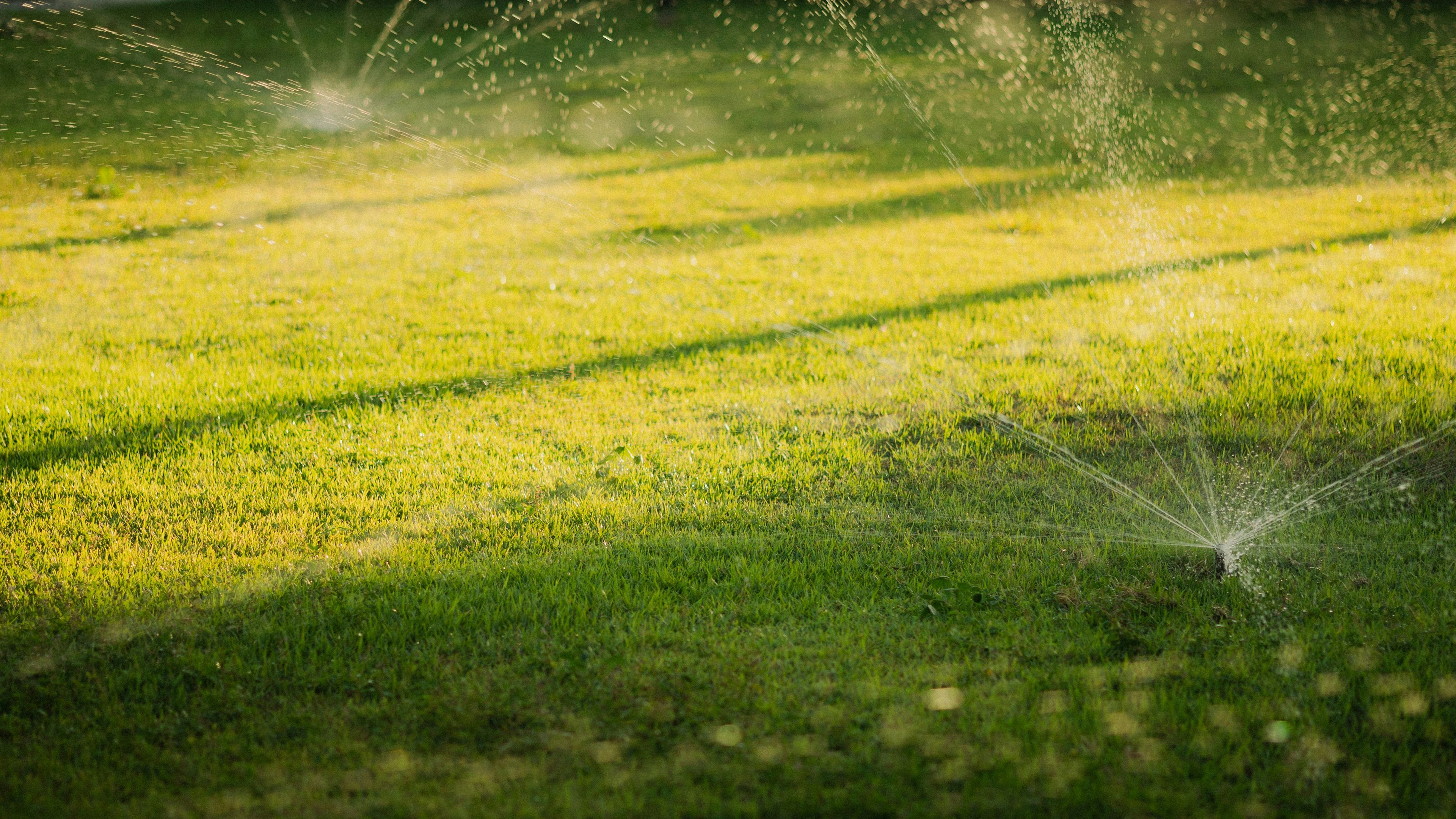
In East Tennessee, we can get a week of soaking rain followed by two weeks of heat and wind that pull moisture out of the soil fast. If you have invested in a healthy lawn, new shrubs, or fresh mulch beds, those dry stretches can undo a lot of progress in a hurry. That is why homeowners and small businesses around Kingston ask us the same question every season: do I actually need an irrigation system in East Tennessee, or can I get by with hoses and good timing?
The honest answer is, it depends on your site, your plants, and how consistent you want results to be. In this guide, we will walk through when irrigation makes sense in our local climate, the real differences in a sprinkler system vs drip irrigation, and water efficient irrigation practices that protect your landscape without wasting water. We will also share irrigation installation tips based on what we have seen go wrong in East Tennessee yards, especially with clay soils, slopes, and mixed sun and shade.
When irrigation makes sense in East Tennessee (and when it does not)
East Tennessee is not a desert, but we do have predictable stress periods. In our experience working in Kingston and across the region, the toughest times are:
- Late spring into early summer when temperatures jump and plants are actively growing
- Mid to late summer when heat, humidity, and afternoon storms can be spotty and uneven
- Early fall when you are trying to establish fescue or repair turf, but rainfall becomes less reliable
An irrigation system becomes more valuable when your landscape needs consistent moisture at the root zone, not just occasional surface wetting. Here are the most common signs you need irrigation that we see on real properties.
Signs you need irrigation
- You have new plantings or sod. New shrubs, trees, and sod have smaller root systems and dry out faster. For most new installations, we plan for regular deep watering for weeks to months, depending on weather and soil.
- Your lawn is on a slope or you have runoff issues. Many properties in our area shed water quickly. If rain runs downhill and never soaks in, your turf can still be drought-stressed even after a storm.
- You have sunny, south-facing exposure. Full sun areas bake in July and August. Bermuda can handle heat better than fescue, but even bermuda benefits from consistent watering during extended dry periods.
- Your soil is heavy clay or compacted. Clay can absorb slowly, then hold water, but it often sheds water when it is dry and hard. That leads to uneven moisture and shallow rooting.
- You travel or manage a commercial property. If you cannot water consistently, automated irrigation protects your investment and keeps curb appeal steady.
If you are deciding between turf types, our local experience with fescue and bermuda can help you set realistic expectations for lawn irrigation Tennessee conditions. See our guide here: Best Grass for East Tennessee Lawns: Fescue vs Bermuda.
When you might not need a full system
Not every yard needs a whole-property sprinkler setup. You might skip irrigation or install a smaller, targeted system if:
- You have mostly established native and adaptive plants that handle dry spells well
- Your lawn is small and easy to water with a hose-end sprinkler
- You are fine with the lawn going slightly dormant during peak summer heat
- You have good shade coverage and organic soil that holds moisture
Sprinkler system vs drip irrigation: what we recommend for East Tennessee properties
Choosing the right system is less about what is popular and more about matching the watering method to the plant and the soil. When people search sprinkler system vs drip irrigation, they are usually trying to solve one of two problems: keeping turf green, or keeping beds and shrubs healthy without overwatering.
Sprinkler systems (best for lawns and large open areas)
- Spray heads for smaller, contained areas (they apply water faster)
- Rotors for larger lawn areas (they apply water more slowly, which helps reduce runoff)
Pros:
- Covers lawn areas efficiently
- Can be zoned by sun exposure and slope
- Convenient scheduling for consistent results
Cons:
- More water loss to wind and evaporation, especially in afternoon heat
- If misaligned, it can spray sidewalks, driveways, and siding
- Can encourage disease if watering is too frequent or too late in the day
For lawn irrigation Tennessee homes, we focus on deep, infrequent watering that pushes roots deeper. Shallow daily watering is one of the fastest ways to create weak turf that struggles in heat.
Drip irrigation (best for beds, shrubs, and foundation plantings)
Drip irrigation for landscape beds delivers water slowly at or near the soil surface. It can be installed as dripline tubing, individual emitters, or micro-sprays depending on the layout.
Pros:
- Highly water efficient irrigation method when installed correctly
- Targets root zones, not sidewalks
- Helps reduce weeds because you are not watering the entire bed surface
- Great for mixed beds with shrubs, perennials, and new plantings
Cons:
- Requires filtration and pressure regulation to prevent clogging
- Can be damaged by edging, digging, or rodents if not protected
- Problems are less visible, so routine checks matter
In our climate, drip is often the best value for protecting shrubs and beds through summer dry spells. It is also a smart option for businesses that want reliable curb appeal without overspraying parking lots or walkways.
A practical rule we use on real projects
- Turf needs sprinklers. Grass roots are spread out, so you need even coverage.
- Beds need drip. Shrubs and perennials do best with slow soaking at the root zone.
If you are already planning upgrades to your outdoor space, it is often easiest to design irrigation alongside Landscaping work, because we can plan bed lines, plant groupings, and watering zones together.
Water efficient irrigation best practices (what actually saves water here)
Most people assume an irrigation system automatically wastes water. The truth is, a properly designed system usually saves water compared to inconsistent hose watering, because it applies the right amount at the right time. The key is setup, scheduling, and maintenance.
1. Water based on soil and exposure, not the calendar
East Tennessee yards are rarely uniform. One side of a home might be shaded and damp, while the front yard bakes in full sun. We recommend zoning irrigation by:
- Sun vs shade
- Slope vs flat areas
- Turf vs beds
- Soil differences (compacted areas vs amended beds)
When zones are mixed, you end up overwatering one area to keep another alive.
2. Use “cycle and soak” on clay or slopes
Clay soil and slopes are common in Kingston and throughout Roane County. If you run sprinklers too long at once, water pools and runs off before it soaks in. Cycle and soak means splitting runtime into shorter cycles with breaks in between.
Example approach we often start with on a slope (then adjust):
- Run 8 to 12 minutes
- Soak 20 to 30 minutes
- Run another 8 to 12 minutes
This helps water move into the root zone instead of down the driveway.
3. Water early, and avoid overnight watering when possible
Early morning watering reduces evaporation and gives turf time to dry out. Wet grass overnight can increase disease pressure during humid stretches. Timing is a major part of water efficient irrigation.
4. Match the precipitation rate to the soil
Rotors apply water more slowly than sprays. In many East Tennessee lawns, rotors reduce runoff and improve uniformity. If a small zone must use sprays, we often shorten run times and cycle more.
5. Do not forget the “non-irrigation” water savers
Irrigation is only one part of moisture management. We regularly see better results when clients combine irrigation with:
- Mulch depth of about 2 to 3 inches in beds (not piled against trunks)
- Soil improvement in planting areas (compost and proper grading)
- Mowing height adjustments (taller grass shades soil and reduces evaporation)
- Targeted plant choices that tolerate heat and humidity
If you are aiming for fewer chores and lower water demand, you will like this related read: Low-Maintenance Front Yard Landscaping for Roane County Homes.
Avoiding common irrigation installation mistakes we see in East Tennessee
We get called out to troubleshoot systems that are technically “installed” but do not perform. Most issues come from a few predictable mistakes. These irrigation installation tips are based on what we see on actual properties in Kingston, Knoxville, Lenoir City, Loudon, and Oak Ridge.
Mistake 1: Poor head spacing and uneven coverage
What it looks like:
- Brown lines between heads
- Green circles around heads with dry areas in between
Mistake 2: Mixing sprays and rotors on the same zone
Sprays and rotors apply water at different rates. If they are on the same zone, one area gets too much water while another stays dry. We separate them whenever possible.
Mistake 3: No pressure regulation or filtration on drip
Drip irrigation for landscape beds needs a filter and pressure regulator. Without them, emitters clog or blow off. Clogging is especially common when a system is tied into a line with debris or when there is no flush point.
Mistake 4: Installing drip too shallow, too deep, or without protection
Dripline should be placed where it can wet the root zone and be protected from damage. Too shallow and it gets cut by edging or exposed by mulch movement. Too deep and it may not wet feeder roots effectively.
Mistake 5: Ignoring drainage and grading
Irrigation cannot fix drainage problems. If water already collects near foundations or runs across sidewalks, adding irrigation can make it worse. We look at grade, downspouts, and runoff patterns before we recommend additional water.
This is one reason irrigation planning often pairs well with Property Maintenance. Routine checks, seasonal adjustments, and quick repairs keep small issues from turning into dead turf or saturated beds.
Mistake 6: Overwatering new plants (yes, it happens)
New landscaping needs consistent moisture, but “consistent” is not the same as “constant.” Roots need oxygen. Overwatering can lead to root rot, fungus, and poor establishment, especially in clay soil.
Designing an irrigation system for East Tennessee: what we evaluate on your site
When we design an irrigation system East Tennessee homeowners can rely on, we start with the conditions that actually control water use and plant health.
Sun, shade, and microclimates
Soil type and compaction
We pay attention to:
- Heavy clay that needs cycle and soak
- Compacted construction soil that repels water
- Bed areas that have been amended and drain differently than turf
Plant types and hydrozones
Grouping plants by water needs is one of the most overlooked water-saving best practices. If drought-tolerant shrubs share a zone with thirsty annuals, you waste water or stress plants. We design hydrozones so each zone has a similar demand.
Water source, backflow, and code basics
Most irrigation systems require proper backflow prevention to protect the potable water supply. Requirements can vary by municipality and utility provider. We follow local expectations and best practices so your system is safe and serviceable.
Long-term maintenance access
Valve boxes, filters, and controllers should be accessible. We also plan for winterization and seasonal adjustments. While East Tennessee winters are not as harsh as farther north, freezes do happen, and shallow lines or above-ground components can be vulnerable.
If you are in our core service area, we regularly design and maintain systems across Roane County, plus nearby communities like Knoxville, Lenoir City, Loudon, and Oak Ridge.
Real-world scenarios: what we typically recommend
To make this practical, here are a few common situations we see and how we approach them.
Scenario 1: New sod and a sunny front yard
If you just installed sod in full sun, irrigation is often the difference between a strong lawn and an expensive redo. We typically recommend sprinklers with:
- Separate zones for the sunniest areas
- Shorter, more frequent watering during establishment
- A transition plan to deep, infrequent watering once roots take hold
We also look at mowing height and soil prep because those affect water needs as much as the system.
Scenario 2: Established lawn, but beds keep struggling
Many properties do not need full lawn coverage but do need drip irrigation for landscape beds. In this case, we often install drip on a dedicated zone with filtration and a pressure regulator, then adjust emitters based on plant size and spacing.
Scenario 3: Small business curb appeal with limited staff time
For businesses, consistent appearance matters. Automated irrigation reduces the risk of stressed turf at the sign line or dead shrubs by the entry. Drip in beds also keeps mulch from washing out due to overspray and helps avoid wet walkways.
If you are already investing in outdoor upgrades like patios, seat walls, or grading, we can coordinate irrigation planning alongside Hardscaping so everything works together and access points are not blocked later.
Conclusion: Is an irrigation system worth it in East Tennessee?
If you want consistent results through East Tennessee heat, protect new landscaping, or reduce the weekly hassle of dragging hoses, irrigation is usually a smart investment. The best setups match the method to the plant, sprinklers for turf and drip for beds, and then dial in scheduling for our clay soils, slopes, and humid summers.
If you are not sure where you fall, we can help you evaluate your property in Kingston and nearby areas. We will look at sun exposure, soil, plant needs, and water use goals, then recommend a plan that fits your landscape and your budget. When you are ready, explore our Landscaping and Property Maintenance services, and contact us through our website to schedule a site visit.


