

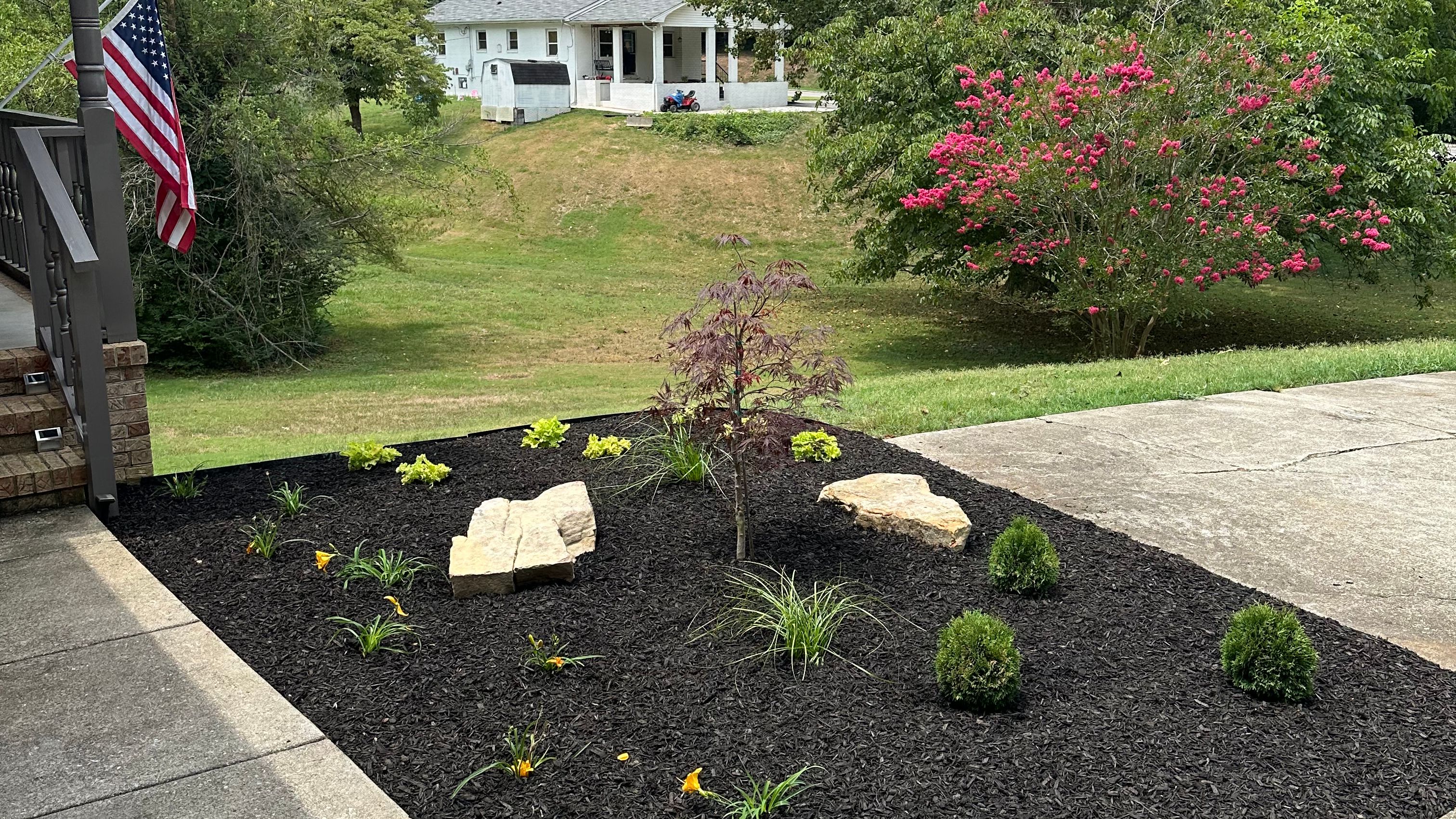
Seasonal flowers in Oak Ridge, TN can look incredible, but only if you plant at the right time for our East Tennessee weather swings. In one week we can go from warm afternoons to a cold snap that burns tender annuals, and summer heat plus humidity can stress plants that would thrive in cooler climates. At Rock Solid, we build and maintain flower beds across the area, and our best results come from matching plant choices to timing, light, and soil prep.
In this guide, we are sharing a practical, month-by-month planting calendar for Oak Ridge homeowners who want reliable spring, summer, and fall color without constant replanting or repeated failures. We will cover what to plant (annuals and perennials), where they do best (sun vs shade flower beds), what watering expectations look like in each season, and how to prep beds so your plants root faster and bloom longer. We will also call out pollinator-friendly flowers Tennessee gardeners love, plus a few common mistakes we see every year.
If you are in Oak Ridge and want help planning beds for long-term color, our team can handle everything from bed renovation to ongoing care through our Landscaping and Property Maintenance services.
Oak Ridge planting basics: timing, frost dates, and what makes East Tennessee different
When homeowners search “when to plant flowers East Tennessee,” they are usually trying to avoid two problems: planting too early and losing plants to frost, or planting too late and watching new installs struggle in heat.
Here is the local reality we plan around in Oak Ridge:
- Last spring frost is often mid-April, but late frosts happen. We have installed plenty of beds where a warm March tempted early planting, then a cold snap set everything back.
- First fall frost often arrives in late October, but it varies year to year.
- Summer stress is real, especially in full sun beds near reflective surfaces like driveways, brick walls, and south-facing foundations.
- Clay soil is common in Oak Ridge and across the region. Clay can be productive, but it needs the right structure and drainage so roots can breathe.
If your beds stay soggy after storms, address that before investing heavily in plants. In East Tennessee, drainage and bed elevation matter as much as plant selection.
Flower bed preparation for better blooms (do this before you buy plants)
Flower bed preparation is the difference between “it looked great for two weeks” and “it’s still blooming in August.” When we renovate beds in Oak Ridge, we focus on three priorities: soil structure, clean edges, and a watering plan.
Step 1: Test and improve soil structure
- Loosen and amend: Work the top 6 to 10 inches if possible. In clay, we typically incorporate compost and aged organic matter to improve drainage and root penetration.
- Avoid adding sand to clay unless you know exactly what you are doing. In many cases it can create a concrete-like texture.
- Check pH when problems repeat: If you have chronic yellowing, poor blooms, or stunted growth, a basic soil test can be worth it.
Step 2: Build the bed for drainage and curb appeal
- Slightly raised beds (even 2 to 4 inches) help a lot in heavy rains.
- Define the edge so mulch stays put and turf does not creep in. Crisp edges also make beds look professionally maintained.
Step 3: Mulch correctly (and at the right time)
Mulch stabilizes moisture, reduces weeds, and protects roots from temperature swings.
- Apply 2 to 3 inches of mulch, keeping it off stems and crowns.
- Refresh mulch after spring planting and again lightly in fall if needed.
If you are deciding between mulch types, see our related guide: Mulch vs Pine Straw in Knoxville: Costs, Pros and Cons for East Tennessee Beds.
Step 4: Plan irrigation before peak heat
Hand-watering works for a few pots. For multiple beds, it is easy to fall behind in July.
- Drip irrigation or soaker hoses deliver water right to roots and keep foliage drier, which can reduce disease pressure.
- If you are considering upgrades, our overview may help: Irrigation Systems in East Tennessee: Do You Need One?.
Month-by-month guide: seasonal flowers Oak Ridge TN homeowners can count on
Below is our working calendar for seasonal flowers in Oak Ridge, TN. We use it as a baseline, then adjust for microclimates. For example, a protected courtyard near a warm wall can plant earlier than an exposed yard in a low spot.
January: plan, prune, and protect perennials
January is not for planting flowers outdoors, but it is a great time to set up success.
What we do in January:
- Plan bed color themes (cool spring tones, hot summer colors, or pollinator-focused mixes).
- Order seeds for cool-season annuals if you like starting indoors.
- Check winter mulch around perennials. Freeze-thaw cycles can heave roots.
Perennials to evaluate now:
- Coneflower, black-eyed Susan, daylily, sedum, catmint, and many ornamental grasses are dormant. Leave most standing seed heads for winter interest and birds, then cut back later.
Watering expectations:
- Only water if we have an extended dry period and the ground is workable. Newly planted fall perennials may need occasional moisture.
February: early prep and cool-season starts (weather permitting)
In late February, we start watching soil conditions closely.
Good tasks:
- Bed cleanup on dry days, remove matted leaves, and reduce overwintering pests.
- Top-dress with compost if soil is not saturated.
Cool-season options (best in sun to part sun):
- Pansies and violas (reliable color through cold snaps)
- Snapdragons (tolerate cool weather)
- Ornamental kale and cabbage (more foliage than flowers, but great winter to spring interest)
Shade-friendly picks:
- Violas can handle part shade.
- In deep shade, focus on preparing for spring perennials rather than forcing annual color.
Watering expectations:
- Minimal. Overwatering in cold soil is a common cause of root rot.
March: spring color begins, but frost is still a threat
March is when we get the itch to plant. In Oak Ridge, we still plan for frost.
What thrives in March:
- Pansies, violas, snapdragons continue to perform.
- Dianthus (often perennial or short-lived perennial here)
- Lenten rose (Helleborus) is a strong shade to part shade perennial with early blooms.
Perennials to plant or divide (as conditions allow):
- Hosta (shade)
- Daylilies (sun to part sun)
- Coneflower and black-eyed Susan (sun)
Sun vs shade flower beds:
- In full sun, focus on cool-season annuals and tough perennials.
- In shade, hellebores and early hosta growth can carry the bed until summer annuals.
Watering expectations:
- Water new plantings deeply once or twice weekly if rainfall is light. Avoid frequent shallow watering.
April: prime month for bed prep and early planting
April is one of our busiest months in Oak Ridge because it sets the tone for the entire growing season.
What to plant in early April:
- Continue cool-season annuals.
- Perennials are safe to plant, and they establish quickly in mild weather.
What to wait on until after frost danger:
- Tender annuals like vinca, zinnia, marigold, coleus, and most tropicals.
Perennials that perform well locally:
- Salvia (perennial types) for sun and pollinators
- Coreopsis for long bloom and heat tolerance
- Catmint (Nepeta) for drought tolerance and bees
- Heuchera (coral bells) for part shade and foliage color
Watering expectations:
- Aim for consistent moisture as plants root, especially if we get a dry April.
May: warm-season annuals and pollinator-friendly flowers take off
By May, we are typically safe to lean into summer color. This is when many homeowners search “best annuals for Tennessee,” because the options open up.
Best annuals for Tennessee summers (full sun):
- Zinnias (great cut flowers, strong pollinator value)
- Marigolds (tough, long bloom)
- Angelonia (heat-loving, upright color)
- Lantana (excellent for butterflies, very heat tolerant)
- Vinca (Catharanthus) (one of the best for hot, sunny beds)
Annuals for shade and part shade:
- Impatiens (choose types appropriate for your site, airflow matters)
- Begonias (reliable shade color)
- Coleus (foliage color, handles part shade and some sun depending on variety)
Perennials to plant in May:
- Coneflower, black-eyed Susan, bee balm, yarrow (sun, pollinator-friendly)
- Hydrangea (morning sun and afternoon shade is often ideal)
Watering expectations:
- New installs: deep watering 2 to 3 times per week depending on rainfall and soil.
- Established beds: generally 1 inch of water per week total, more during hot stretches.
If you want a low-maintenance approach that still looks intentional, our planning mindset is similar to what we share here: Low-Maintenance Front Yard Landscaping for Roane County Homes.
June: build heat resilience and keep blooms coming
June is when spring plantings either settle in or start to struggle. In Oak Ridge, humidity rises and disease pressure can increase.
What to plant in June:
- You can still plant warm-season annuals, but expect more watering.
- Add container color near entries if beds are already full.
What we focus on in June:
- Deadheading: zinnias, marigolds, and many perennials bloom longer when spent flowers are removed.
- Fertilizing carefully: too much nitrogen makes lush leaves and fewer flowers. We prefer slow-release options or light, consistent feeding.
- Mulch check: keep 2 to 3 inches to reduce evaporation.
Perennials that shine in early summer:
- Daylilies
- Salvia
- Coreopsis
- Yarrow
Watering expectations:
- Water early in the day. Deep watering is better than daily sprinkles.
- For beds in full afternoon sun, plan on supplemental watering during dry weeks.
July: choose heat lovers and manage moisture smartly
July is the stress test. If you are trying to avoid constant replanting, this is the month to lean on the toughest performers.
Heat-tolerant annuals for Oak Ridge:
- Vinca
- Lantana
- Portulaca (moss rose) for very sunny, dry areas
- Zinnias (watch for powdery mildew, improve spacing and airflow)
Reliable perennials for summer (sun):
- Coneflower
- Black-eyed Susan
- Sedum
- Russian sage (Perovskia)
Shade bed strategy:
- In heavy shade, summer color often comes from foliage rather than blooms. Combine hostas, ferns, heuchera, and pockets of begonias or impatiens where there is morning light.
Watering expectations:
- Plan for 1.5 inches per week in hot, dry spells, especially in new beds.
- Avoid watering at night when possible, it can increase fungal issues.
August: refresh tired spots and prep for fall color
By August, some annuals look worn. Instead of ripping everything out, we often “edit” beds.
What to do:
- Replace weak annuals with fresh heat-tolerant options.
- Cut back leggy plants by about one-third (where appropriate) to encourage a new flush.
Good late-summer additions:
- Angelonia and vinca still perform.
- Ornamental grasses add movement and structure.
Perennials to plan for fall:
- Asters and garden mums (often used as seasonal color, mums are typically treated like annuals for consistent performance)
- Sedum for fall interest
Watering expectations:
- Consistency matters. Drought stress now can reduce fall bloom.
September: one of the best months for perennials in East Tennessee
If you want “best perennials for East Tennessee,” September is a great time to plant many of them. Soil is still warm, air is cooler, and roots establish fast.
What to plant in September:
- Perennials: coneflower, black-eyed Susan, sedum, ornamental grasses, many shrubs
- Fall annual color: mums, asters, ornamental peppers, pansies later in the month
Why we love September planting:
- Plants spend energy on roots, not fighting heat.
- You often need less watering than summer installs.
Watering expectations:
- New perennials still need consistent moisture for 3 to 6 weeks.
If you are in Oak Ridge and want beds that look good now and come back stronger next year, this is a smart window to invest.
October: cool-season annuals return and bulbs are on deck
October is prime time for cool-season color and spring planning.
What thrives in October:
- Pansies and violas (excellent fall through spring performers)
- Snapdragons (often rebound in cool weather)
Spring-blooming bulbs (plant late October into November):
- Daffodils (most reliable in our region)
- Tulips can be trickier due to warm spells and critters, but can still be used with realistic expectations.
Bed prep focus:
- Clean up diseased plant material.
- Refresh mulch lightly after planting cool-season annuals.
Watering expectations:
- Water new plantings in, then monitor rainfall. Cool weather reduces water demand, but roots still need moisture.
November: protect perennials and set up a strong spring
November is about closing out the season well.
What to do:
- Finish bulb planting.
- Cut back perennials that flop or disease easily, but leave sturdy seed heads for winter interest if you like.
- Add compost around perennials, then mulch.
Cold-hardy color:
- Pansies and violas continue.
- Ornamental kale and cabbage can return for winter interest.
Watering expectations:
- Water during dry stretches, especially for new shrubs and perennials planted in fall.
December: minimal planting, maximum planning
December is a good month to evaluate what worked.
What we recommend:
- Take photos of beds and note sun patterns. Winter sun angles reveal shade issues you do not notice in summer.
- Plan structural improvements like edging, bed expansion, or hardscape features that make planting easier.
If you are considering pathways, patios, or raised borders that improve drainage and bed definition, that falls under our Hardscaping service.
Sun vs shade flower beds: proven plant combinations for Oak Ridge yards
Oak Ridge neighborhoods often have a mix of mature trees and open lawn areas, so most properties include both sun and shade. Here are combinations we use frequently.
Full sun beds (6+ hours)
Goals: heat tolerance, long bloom, and strong structure.
- Perennials: coneflower, coreopsis, salvia, sedum
- Annual accents: zinnias, vinca, lantana
- Texture: ornamental grasses or low mounding plants for edges
Maintenance notes:
- Deadhead selectively.
- Watch spacing, airflow reduces mildew.
Part shade beds (3 to 6 hours, often morning sun)
Goals: color without scorch.
Strong options:
- Perennials: heuchera, hydrangea (site dependent), daylily in brighter part shade
- Annuals: begonias, coleus, some impatiens
Maintenance notes:
- Mulch is critical because tree roots compete for moisture.
Shade beds (less than 3 hours)
Goals: foliage interest, consistent moisture, and clean edges.
Go-to plants:
- Perennials: hosta, ferns, hellebores, heuchera
- Annuals (if there is enough light): begonias, impatiens
Maintenance notes:
- Avoid overwatering, shade dries slower.
- Focus on soil improvement and leaf management.
Watering expectations by season (what “enough” really looks like)
We see more flower failures from inconsistent watering than from “wrong plant.” Here is a realistic approach for Oak Ridge.
- Spring (March to May): Water new installs deeply 1 to 3 times per week depending on rainfall. Cool weather means you can overdo it, so check soil moisture 2 inches down.
- Summer (June to August): Established beds generally need about 1 inch per week, but full sun beds in heat can need more. New plantings may need deep watering 3 times per week.
- Fall (September to November): Keep watering new perennials and shrubs until the ground cools. Roots still grow in fall.
Common mistakes we see in Oak Ridge flower beds (and how to avoid them)
These are the issues we most often correct when homeowners call us after repeated failures.
- Planting summer annuals before the last frost
Even one cold night can stunt or kill tender plants. Use pansies and snapdragons for early color, then transition.
- Skipping bed prep and planting into compacted clay
Roots cannot expand, water sits, and plants struggle. Compost and proper bed shaping pay off.
- Overcrowding for instant impact
Crowded beds look great for two weeks, then airflow drops and disease rises. We space for mature size and fill gaps with mulch or smaller annuals.
- Over-fertilizing
Too much nitrogen leads to leafy growth and fewer blooms. Use slow-release and follow label rates.
- Ignoring light changes
A bed that was “full sun” before trees matured may now be part shade. Adjust plant choices rather than fighting the site.
If you want ongoing help keeping beds clean, edged, and watered correctly through the season, that is exactly what our Property Maintenance team is built for.
Conclusion: build a calendar, then plant for your site
Reliable seasonal flower planting in Oak Ridge comes down to three things: timing, matching plants to sun or shade, and starting with well-prepped beds. Use cool-season annuals for early spring and fall color, lean on heat-loving annuals like vinca and lantana for summer, and invest in perennials in April and especially September so they establish strong roots.
If you would like a professional eye on your beds, we can help you choose the best annuals for Tennessee conditions, select best perennials for East Tennessee longevity, and create a plan that supports pollinators and reduces replanting. Explore our Landscaping services or visit our Oak Ridge service area page to see how we support homeowners across the region.


