

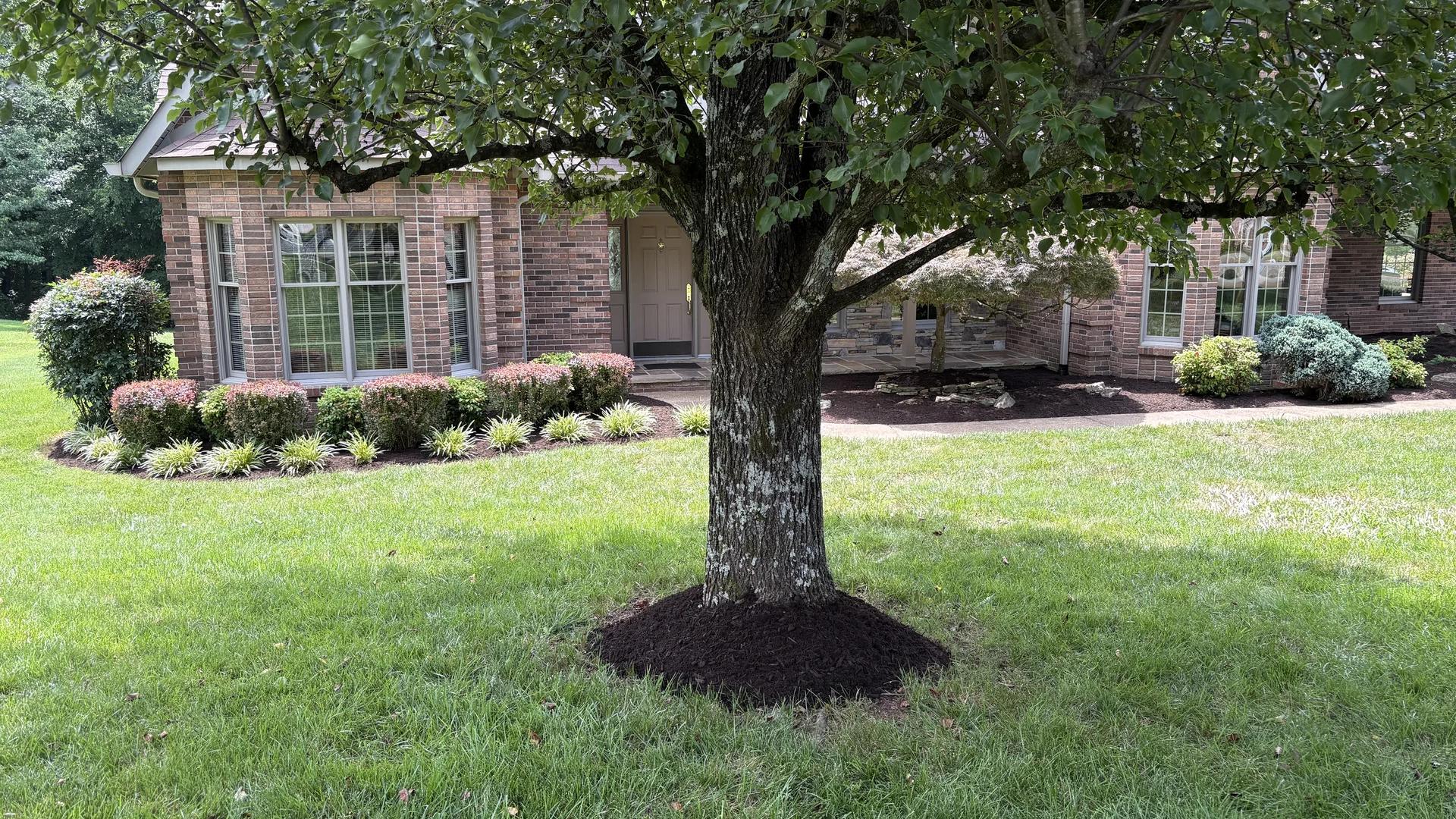
Planning a yard refresh is exciting, but it can also feel uncertain. How long will it take? What decisions do you need to make first? And how do you avoid spending money on plants and features that struggle in East Tennessee heat, clay soil, and heavy rain?
At Rock Solid, we guide homeowners through a clear, step-by-step landscape design process that turns ideas into a buildable plan. In Roane County, that process has to account for real-world conditions like slopes, stormwater flow, shady hollows, and the way summer humidity and winter cold snaps impact plant performance. A good design is not just “pretty”, it is functional, durable, and maintainable.
In this post, we will walk you through what to expect from your first consultation to final installation planning, including what we look for during site evaluation landscaping, how we document drainage and grading notes, how we select plants that thrive locally, and how we build a realistic yard renovation plan that fits your timeline and budget.
Step 1: Pre-Consultation Prep (So the First Visit Is Productive)
Before we ever put a tape measure on the property, we like to get aligned on goals. This is where many landscape projects go sideways, not because the work is hard, but because the expectations were not clarified early.
Here is what we typically ask homeowners in Roane County to think about before the first on-site meeting:
- Your top priorities: curb appeal, drainage fixes, privacy, outdoor living space, low maintenance, pet-friendly lawn, or a mix.
- How you use the yard: kids playing, entertaining, gardening, fire pit nights, or simply wanting it to look clean and well-kept.
- Pain points: standing water, muddy paths, washouts on slopes, thin grass under trees, or beds that constantly get overtaken by weeds.
- Maintenance comfort level: do you want “set it and forget it” planting, or are you happy to prune, fertilize, and re-mulch regularly?
- Budget range and phasing: whether you want everything installed at once or staged over seasons.
If you have a survey, septic layout, HOA guidelines, or a rough sketch of what you like, those are helpful. If you do not, no problem. We can still build a plan, but any existing documentation helps us avoid surprises.
This stage also helps us steer you toward the right mix of services. Some projects are mostly planting and bed renovation, which falls under Landscaping. Others need retaining walls, patios, or walkways, which live in Hardscaping. And many homeowners want a plan that includes ongoing upkeep through Property Maintenance.
Step 2: On-Site Landscape Consultation and Site Evaluation (What We Measure and Why)
What we look at during site evaluation landscaping
We typically document:
- Sun and shade patterns: morning vs afternoon sun, tree canopy shade, and hot reflective areas near driveways and south-facing walls.
- Slope and grade changes: where water naturally wants to go, and where it is currently being forced to go.
- Drainage behavior: downspout discharge points, low spots, soggy turf, erosion channels, and water that moves toward foundations.
- Soil conditions: compacted clay, rocky areas, topsoil depth, and spots that stay wet.
- Existing plant health: what is thriving, what is struggling, and what may be worth preserving.
- Access and logistics: where equipment can enter, where materials can be staged, and any constraints like narrow gates.
Drainage notes are not optional in East Tennessee landscape planning
In our area, heavy rain events are common, and clay soil can shed water instead of absorbing it. That is why we take drainage seriously in the design phase. We are looking for practical, buildable solutions like:
- regrading small areas to restore positive drainage
- extending or redirecting downspouts
- adding dry creek beds or swales to move water safely
- installing drain systems when needed
- using retaining walls or terracing to slow runoff on slopes
We also keep an eye on where water should not go, like toward crawlspaces, basements, or neighboring lots. If a project requires permits or engineering, we will tell you early so there are no last-minute delays.
Step 3: Defining the Scope and Building the Yard Renovation Plan
Once we understand the site, we translate your goals into a clear scope. This is where “I want it to look nicer” becomes a real yard renovation plan with priorities, phases, and measurable outcomes.
- Function first: drainage, grading, access paths, privacy, and how you move through the space.
- Structure second: hardscape layout, bed lines, edging, and permanent elements.
- Planting and finishing: trees, shrubs, perennials, mulch, lighting, and seasonal color.
A real-world Roane County scenario we see often
- correct the water path (sometimes with a simple swale)
- stabilize the slope with plantings that root well
- add defined bed edges and groundcover
- create a dry, usable zone with a patio or seating area
If you are considering a patio as part of your outdoor living upgrade, our design conversations often include material pros and cons for durability and drainage. For a deeper comparison, you can also read Paver Patio vs. Concrete Patio in Knoxville: What’s Best?.
Step 4: Concept Design and Layout (Turning Ideas Into a Buildable Plan)
This is the stage where your project starts to feel real. Based on the site evaluation and your priorities, we develop a layout that balances aesthetics with practicality.
Depending on the project, your design may include:
- bed shapes and transitions (where lawn ends and planting begins)
- walkway and patio footprints
- retaining wall locations and heights (if needed)
- privacy screening zones
- drainage features and discharge points
- focal points like boulders, specimen trees, or a fire pit area
How we design for Roane County properties
- Plan for stormwater: we avoid designs that trap water against hard surfaces or funnel runoff into one problem corner.
- Keep maintenance realistic: tight bed corners and overly complex curves look great on paper, but they can be harder to edge, mulch, and mow.
- Use the slope instead of fighting it: terracing, layered plantings, and step transitions can make a steep yard feel intentional.
- Create year-round structure: evergreen shrubs, ornamental grasses, and hardscape anchors help the landscape look good even in winter.
This is also when we talk through “must-haves” vs “nice-to-haves” so you can make decisions confidently.
Step 5: Plant Selection for East Tennessee Conditions (Performance Over Hype)
Plant selection is where many homeowners get burned. A plant can look perfect at the garden center and still fail in a Roane County yard if the sun exposure, drainage, or soil compaction are wrong.
Our approach is performance-based. We select plants that match:
- light conditions (full sun, part shade, deep shade)
- soil moisture (dry slopes vs consistently damp low areas)
- mature size (so you are not forced into constant pruning)
- disease resistance (important in humid summers)
- deer pressure (varies by neighborhood, but it is real)
What “low maintenance” actually means
Low maintenance does not mean zero maintenance. It means:
- fewer plants that need frequent shearing
- spacing that reduces weed pressure and improves airflow
- plant choices that do not require constant watering once established
- bed layouts that are easy to mulch and edge
If you want ideas for proven regional performers, we recommend reading Native Plants for East TN: Low-Maintenance Landscape Picks. We often incorporate native and adaptive plants because they tend to handle our clay soil and weather swings better once established.
Timing matters (and we will tell you the truth)
Some installs are best in spring or fall. Summer planting can work, but it requires a stronger watering plan and realistic expectations. If you are planning a full yard renovation plan, we may recommend phasing, for example:
- install hardscapes and drainage first
- plant trees and shrubs in the best season
- finish perennials and lawn renovation when conditions are favorable
That is part of being trustworthy. We would rather build a landscape that thrives than rush an install that struggles.
Step 6: Materials and Hardscape Planning (Patios, Walls, Walkways, and Edging)
If your project includes structural elements, we get very specific about base prep, drainage, and long-term durability. In East Tennessee, freeze-thaw cycles are not as extreme as farther north, but they still matter, especially when water is allowed to sit under pavers or behind retaining walls.
When we plan hardscaping, we consider:
- base depth and compaction appropriate for the soil
- edge restraint so patios and walkways do not creep
- grading away from the home to protect foundations
- wall drainage (gravel backfill, drain tile, and proper outlets)
- material selection for slip resistance and heat reflection
If you are exploring patios, steps, or retaining walls, our Hardscaping team helps ensure the design is not only attractive but also engineered for real use.
We also talk through how hardscape choices affect maintenance. For example, tighter joints can reduce weed growth, and proper slope on a patio helps prevent puddling and winter algae.
Step 7: Final Proposal, Installation Planning, and Timeline (What Happens Next)
Once the design direction is approved, we move into installation planning. This is where we finalize details, confirm material availability, and build a schedule that respects your property and daily life.
What to expect in the installation plan
We typically cover:
- project sequence (drainage and grading first, then hardscape, then planting)
- estimated duration based on scope and weather
- site logistics like equipment access and where materials will be staged
- protection plan for existing features you are keeping
- watering and establishment guidance for new plants
In Roane County, weather can shift quickly. Heavy rain can delay excavation or base prep. We plan around that as best we can and communicate clearly if the schedule needs adjustment.
After installation: keeping it looking “new”
If lighting is part of your goals, we often recommend planning it during the design phase so wiring and fixture placement feel intentional. For ideas that translate well to many Roane County homes, check out Outdoor Lighting Ideas for Safer, Better Yards in Oak Ridge.
A Practical Landscape Consultation Checklist (Bring This to Your Meeting)
To make your consultation more productive, here is a landscape consultation checklist we encourage homeowners to use. You do not need everything on day one, but the more you can share, the faster we can dial in a plan.
- Photos of yards you like (and what you like about them)
- A list of must-haves (privacy, drainage fix, patio, play space)
- Any problem areas marked (standing water, erosion, dead grass)
- Notes on irrigation (existing system, hose access, watering habits)
- HOA guidelines, if applicable
- Septic and utility info if you have it (we still call for locates before digging)
- A rough budget range and whether you want to phase the work
We also recommend thinking about your “maintenance ceiling.” If you travel often or do not enjoy yard work, we will steer you toward simpler bed layouts, durable materials, and plantings that do not demand constant attention.
Why This Process Works (And What It Protects You From)
- Buying plants twice because the first choices were wrong for sun, soil, or drainage
- Installing a patio that puddles because slope and runoff were not addressed
- Creating beds that are hard to maintain because the shapes are too intricate
- Overspending early and running out of budget before the functional problems are solved
Our job is to make sure your outdoor space is not only attractive on install day, but also practical for Roane County weather and your daily routine.
If you are nearby and want a team that understands local conditions, we are based in Kingston, Tennessee and regularly work throughout Roane County. We also serve surrounding areas like Knoxville, Lenoir City, Loudon, and Oak Ridge.
Conclusion: Your Next Step Toward a Confident Design
If you are ready to move from ideas to a buildable yard renovation plan, we would love to help. Explore our Landscaping and Hardscaping services, then reach out through our website to schedule a consultation. We will walk your property, talk through priorities, and show you exactly what to expect from design to installation.


