

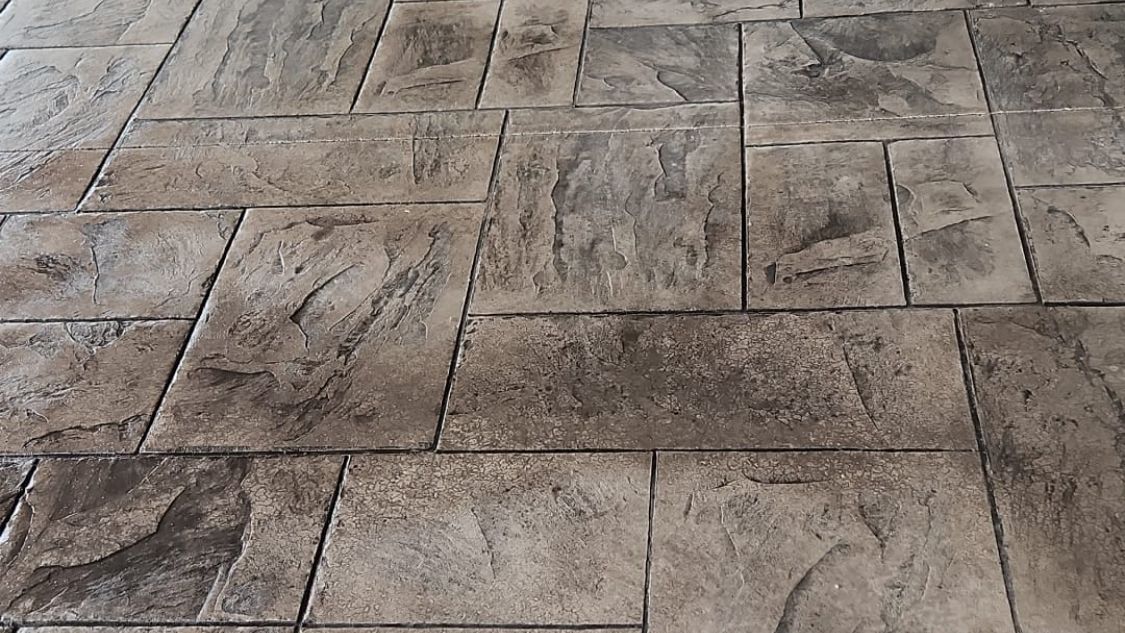
Pavers are one of our favorite upgrades for East Tennessee patios and walkways because they look high-end, drain better than a solid slab, and are repairable. Then the big question comes up after installation or after a good pressure wash: should I seal pavers or leave them alone?
Here in and around Kingston, Tennessee, we deal with a mix of humidity, heavy rain events, clay soil, shade from mature trees, and freeze-thaw swings. Those conditions matter. A sealer that performs well in a dry climate can create problems here if it is applied at the wrong time or on the wrong surface.
In this guide, we will walk you through what we have seen in the field with paver sealing in East Tennessee, including when sealing is worth it for stain resistance and color enhancement, and when it can backfire by trapping moisture or getting slick. We will also cover timing guidance for our climate, sealer types, how sealing interacts with polymeric sand, and the maintenance expectations most homeowners do not hear about upfront.
What paver sealing actually does (and what it does not)
Benefits we see most often in East Tennessee
Stain resistance (oil, food, tannins, rust):
If your patio is used for grilling, outdoor dining, or parking, sealing can reduce how quickly spills soak in. That matters for:
- Grease drips near grills and smokers
- Leaf tannins from oak and maple leaves
- Mulch and soil stains after storms
- Fertilizer and iron-related rust stains (common near lawn edges)
Sealing does not make pavers stain-proof, but it can buy you time to clean a spill before it becomes permanent.
Color enhancement:
Many homeowners want the “just-installed” look back. A color-enhancing sealer can deepen tones and bring contrast back to blends that have faded under UV exposure.
Reduced efflorescence visibility (sometimes):
Efflorescence is the white, chalky haze that can appear as salts migrate to the surface. Some sealers can reduce how much water moves through the paver, which can reduce recurring efflorescence. The key word is recurring. Sealing too early can lock in moisture and make efflorescence worse.
Joint stability when paired with the right sand:
When installed and cured correctly, sealing can help stabilize joint sand and slow washout. This is where polymeric sand and sealing often get discussed together, and we will cover the correct sequence later.
What sealing does not fix
A weak base or poor drainage:
If pavers are settling, rocking, or holding water, sealing is not the solution. Those issues usually trace back to base depth, compaction, edge restraint, or drainage design. If you are troubleshooting movement, our post on Paver Patio Base in East TN: Depth, Stone & Compaction Tips is a good starting point.
Weed pressure from the sides or above:
Most “weeds in pavers” are windblown seeds rooting in organic debris on top of the joints. Sealer may reduce joint moisture, but it will not eliminate weeds if the surface stays dirty or shaded.
Algae and mildew in shade:
In humid, shaded areas of Kingston, Lenoir City, and Oak Ridge, organic growth is often a light and airflow issue. Sealing can sometimes make cleaning easier, but it can also create slickness if the surface stays damp.
The real pros and cons of paver sealer in our climate
When homeowners search paver sealer pros and cons, they usually find generic lists. The East Tennessee version is more specific because moisture management is the make-or-break factor.
Pros: when sealing is genuinely helpful
1) You need to protect pavers from stains
If you have:
- A grilling zone
- Kids and pets using the space daily
- A driveway apron or parking pad
- A covered patio where drips concentrate in one area
Then sealing can be a practical layer of protection. We see the biggest payoff when homeowners want easier cleanup and fewer permanent dark spots.
2) You want a richer, more finished look
Color enhancement is a valid reason to seal, as long as you accept that it is a finish you will maintain. In our experience, homeowners are happiest when they choose the look intentionally, not because a contractor made sealing sound mandatory.
3) Your joints are losing sand
If joint sand is washing out after heavy rain, sealing can help, but only after the underlying cause is addressed. Common causes include:
- Joints not filled properly
- Polymeric sand not compacted and topped off
- Water flowing across the surface because of grading or downspout discharge
If runoff is part of the problem, you may also benefit from broader drainage fixes. Our post on French Drain vs. Dry Creek Bed for East TN Drainage explains options we often pair with hardscapes.
Cons: when sealing can cause issues
1) Slipperiness on certain finishes and in shade
This is the number one complaint we hear after a DIY sealing job. Glossy, film-forming sealers can get slick when:
- The patio stays shaded
- Morning dew lingers
- Algae develops on the surface
If you have steps, a pool area, or a steep walkway, traction matters more than shine. In those cases, we typically lean toward a penetrating sealer (or no sealer) and focus on cleaning and drainage.
2) Trapping moisture, leading to hazing or peeling
East Tennessee humidity and frequent rain mean pavers can hold moisture longer than homeowners expect, especially over clay soils. If a sealer is applied when the pavers or joints are not fully dry, you can see:
- Cloudy haze
- Blotchy dark areas
- Whitening
- Peeling or flaking (more common with topical sealers)
This is why timing and surface prep are not optional.
3) More visible wear patterns
4) Maintenance becomes a “system,” not a one-time project
Unsealed pavers can be cleaned and re-sanded as needed. Sealed pavers typically require periodic resealing to keep the look consistent and the protection working. If you prefer low-intervention maintenance, sealing may not align with your goals.
Our rule of thumb: when we recommend sealing and when we do not
Every patio is different, but after installing and maintaining hardscapes across Roane County and the Knoxville area, we see clear patterns.
When sealing is usually a good idea
- Outdoor kitchens and heavy entertaining spaces where food and drink spills are common
- Driveway edges and parking pads where oil and tire marks are likely
- Patios under trees where leaf tannins stain (as long as the surface gets enough sun and airflow to dry)
- Homeowners who want color enhancement and are comfortable resealing on a schedule
If you are planning a new patio or need a rebuild, our Hardscaping team can help you choose paver styles that perform well in East Tennessee and set you up for easier long-term care.
When we often advise skipping sealer
- Shaded, damp areas that stay green with algae or mildew
- Steps, ramps, or steep walkways where traction is critical
- Pavers with existing moisture issues such as persistent efflorescence, wet spots, or poor drainage
- Older pavers with multiple unknown coatings where compatibility is unclear
In these cases, we focus on cleaning, correcting drainage, and joint maintenance instead of adding a coating that can amplify moisture problems.
Timing guidance for paver sealing in East Tennessee humidity
This is where local experience matters. The “wait 24 hours after washing” advice you see online is often not enough for our climate.
How long should pavers dry before sealing?
As a practical guideline in East Tennessee:
- After rain: we like to see at least 48 to 72 hours of dry weather before sealing, longer if the area is shaded.
- After pressure washing: plan for 2 to 4 days of drying time in warm weather. If nights are cool or humidity is high, extend it.
- After installing polymeric sand: follow the manufacturer cure time, then add extra buffer for humidity. Many products need at least 24 hours without rain, but in our area we prefer a more conservative window.
If you are unsure, a simple test helps. Tape a 2 foot by 2 foot square of clear plastic to the pavers for a few hours in the morning. If condensation forms underneath, the surface is still releasing moisture.
Best seasons for sealing around Kingston and the Knoxville area
We typically see the best sealing windows in:
- Late spring after pollen season calms down and before the hottest, stormiest stretch
- Early fall when humidity starts to drop and nights are not too cold
Mid-summer can work, but pop-up storms and high humidity make scheduling tricky. Winter sealing is rarely ideal because temperatures and dew points can prevent proper curing.
Temperature, dew, and shade considerations
Most sealers have a temperature range for application and curing. Even if the daytime high looks perfect, overnight dew can disrupt curing. For shaded patios near wooded lots in places like Oak Ridge or along the water in Kingston, we plan around:
- Morning shade that keeps the surface cool
- Afternoon thunderstorms
- Dew settling in the joints overnight
If you want a sealer to perform, you need a weather window, not just a warm afternoon.
Sealer types explained: penetrating vs topical, water-based vs solvent-based
Choosing the right product is the difference between “easy cleanup” and “why is my patio peeling.” Here is how we explain it to homeowners deciding on paver maintenance Tennessee plans.
Penetrating sealers (impregnating)
These soak into the surface and help reduce absorption without creating much of a film on top.
Best for:
- Natural, low-sheen look
- Traction-sensitive areas
- Patios with partial shade
Tradeoffs:
- Less dramatic color enhancement
- May not “lock” joint sand as aggressively as a topical product
Topical sealers (film-forming)
These sit closer to the surface and can range from a natural sheen to a wet-look gloss.
Best for:
- Strong color enhancement
- Some joint stabilization benefits
- Homeowners who want a finished, sealed appearance
Tradeoffs:
- Higher risk of slipperiness
- Can haze or peel if moisture is present
- Wear patterns show sooner in traffic lanes
Water-based vs solvent-based
- Water-based sealers often have lower odor and easier cleanup. Many modern water-based products perform well, but they can be more sensitive to application conditions.
- Solvent-based sealers can offer strong penetration and a classic “wet look,” but they require careful handling and ventilation.
The right choice depends on the paver material, surface texture, exposure to sun and shade, and how you use the space. If you are in Knoxville or Lenoir City and want a recommendation that fits your exact patio, we can evaluate the site conditions and tell you what we would do if it were our own home.
Polymeric sand and sealing: the sequence that prevents joint failures
This topic causes a lot of confusion, and it matters because joints are the “flex point” of a paver system.
What polymeric sand does
Polymeric sand is joint sand with binders that harden when activated properly. It helps:
- Reduce washout
- Reduce ant hills and insect tunneling
- Reduce weed germination (not eliminate it)
Common mistakes we see
- Not compacting and topping off joints: Joints settle after compaction. Skipping the second fill leaves shallow joints that fail faster.
- Overwatering during activation: Too much water can wash binders out and leave a crusty or patchy finish.
- Sealing too soon: If polymeric sand is not fully cured and dry, sealing can trap moisture and weaken joints.
Our best-practice approach
While we always follow the specific manufacturer instructions for the product used, our general approach is:
- Install and compact pavers properly.
- Sweep in polymeric sand, compact, then top off joints.
- Activate polymeric sand carefully.
- Allow a conservative dry and cure period based on weather.
- Seal only when the entire system is dry, including joints.
If you are already seeing joint loss or movement, sealing is not the first step. Joint repair and drainage review come first.
What maintenance looks like after sealing (realistic expectations)
Sealing can reduce maintenance in some ways, but it also creates a predictable cycle. We try to set expectations clearly so homeowners are not surprised.
How long does paver sealer last here?
In East Tennessee conditions, typical ranges we see are:
- Penetrating sealers: often 2 to 4 years depending on exposure and cleaning habits
- Topical sealers: often 1 to 3 years before noticeable wear in traffic lanes
Full sun, heavy use, and frequent pressure washing shorten lifespan. Shaded, damp areas can also shorten lifespan because organic growth requires more cleaning.
Cleaning sealed pavers
- Use a gentle wash when possible. High pressure can etch pavers and strip sealer.
- Clean spills early, even when sealed.
- Keep joints clear of debris, especially under trees.
If your yard gets hammered by heavy rain and mud, it is worth learning best practices for cleanup timing. Our post on Lawn Care After Heavy Rain in Knoxville: Prevent Mud & Ruts includes practical guidance that also applies to keeping hardscape edges cleaner.
Resealing and spot repairs
Expect to:
- Recoat high-traffic areas sooner than low-traffic zones
- Re-sand joints in spots if sand loss occurs
- Address drainage and downspout discharge so runoff does not scour joints
For many homeowners, the best plan is a light annual inspection plus a reseal every few years, rather than waiting until the patio looks patchy.
A practical decision checklist for homeowners
If you are still on the fence about paver sealing East Tennessee, here is the decision framework we use on site visits.
Sealing is more likely to be worth it if:
- You grill often or have frequent outdoor meals
- Your patio is in full sun and dries quickly after rain
- You want color enhancement and accept periodic resealing
- Your joint sand is stable and drainage is handled
Sealing is more likely to cause headaches if:
- The area stays shaded and damp
- You already fight algae or mildew
- You have steps or a sloped walkway where traction is a priority
- Efflorescence is active or moisture is trapped under the system
If you want help evaluating your space, our team can look at the pavers, joints, slope, and surrounding drainage, then recommend a clear plan. Many homeowners combine this with broader outdoor upkeep through our Property Maintenance services so the patio, beds, and lawn edges stay consistently clean and sharp.
Conclusion: sealing can be a smart upgrade, but only when the conditions are right
Sealing is not mandatory for a great paver patio in East Tennessee. In the right setting, it is a solid way to protect pavers from stains, enhance color, and help joints hold up better. In the wrong setting, sealing can create slick surfaces, hazing, and moisture-related failures that are frustrating and expensive to correct.
If you are deciding whether to seal, start with your site conditions: sun vs shade, how fast the patio dries, how you use the space, and whether drainage is directing water across the pavers. From there, choose a product type that matches your goals and plan for realistic maintenance.
If you would like a professional opinion in Kingston or nearby communities like Roane County and the greater Knoxville area, contact us. We can evaluate your pavers, recommend the right approach, and help with installation, repairs, or upgrades through our Landscaping and hardscape services.


