

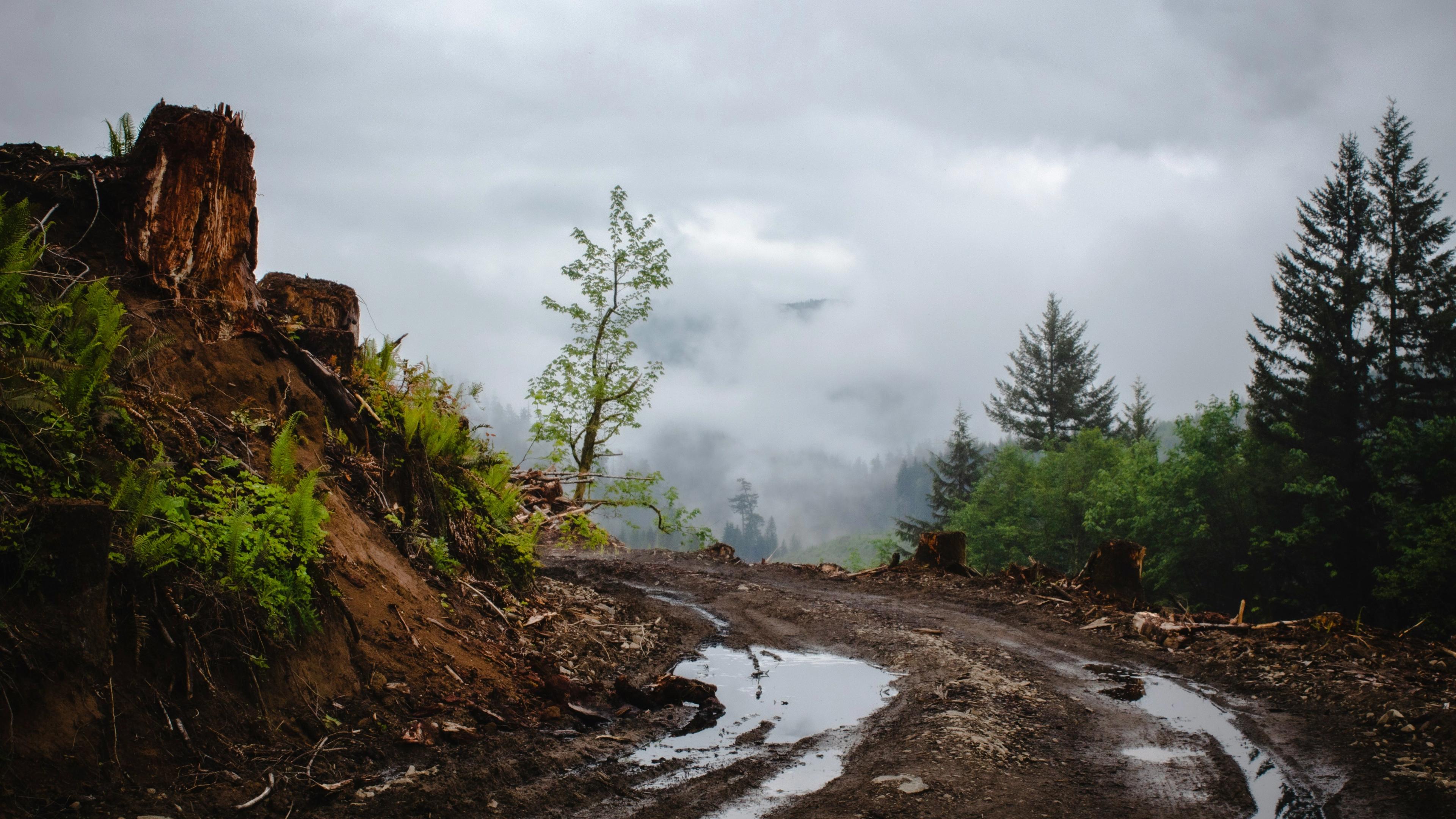
Knoxville rain can flip a healthy yard into a muddy mess overnight. One heavy storm, a couple days of drizzle, and suddenly you are dealing with squishy clay soil, footprints that sink, mower ruts, and thin spots that turn into weeds. If you have tall fescue (common across East Tennessee) the humidity after rain can also trigger disease pressure fast.
In this guide, we are sharing the same post-storm approach we use across the Knoxville area to protect turf, prevent soil compaction, and get a wet lawn back on track. You will learn what to do in the first 24 to 72 hours, what not to do (even if the grass looks shaggy), and how to make smart calls on aeration, overseeding, and drainage fixes. We will also include a practical drainage triage checklist so you can decide whether you need a quick surface fix or a longer-term solution.
If you want a second set of eyes on your yard in Knoxville or nearby communities, our team based in Kingston, Tennessee is used to the region’s clay-heavy soils, slopes, and sudden downpours. We build plans that match how East Tennessee actually behaves after a storm.
First, understand what heavy rain does to Knoxville lawns
After a big rain event, most lawn damage is not caused by the water itself. It is caused by what we do on wet ground.
Wet soil plus traffic equals compaction
East Tennessee yards often have a high clay content. Clay holds water, drains slowly, and compresses easily. When you walk, drive, or mow on saturated soil, you squeeze out the air pockets turf roots need. That reduces oxygen, slows root growth, and makes the lawn more prone to drought stress later.
If you have ever noticed that the lawn looks thin in the same path where you push the mower or where kids cut across the yard, that is a compaction pattern. After a storm, those patterns can worsen quickly.
Signs you are dealing with compaction (not just “wet grass”):
- Water puddles for hours after rain stops
- Footprints remain visible after the surface dries
- The ground feels “spongy” on top but hard underneath
- Grass blades yellow slightly even though the soil is wet
This is why “soil compaction clay soil” is such a common issue in our area. Clay is not bad, but it needs the right timing and the right practices.
Mower ruts happen when the soil shears, not when it is damp
Ruts are created when the tire or mower wheel breaks the soil structure and slides. That is why you can get deep tracks even with a lightweight mower if the yard is saturated.
Once ruts form, the low channels collect more water, which keeps the area wetter, which leads to more ruts. It becomes a loop.
Humidity after rain increases fungus risk in tall fescue
In Knoxville, tall fescue lawns often struggle during warm, wet stretches. Extended leaf wetness from rain, heavy dew, and poor airflow can trigger disease outbreaks.
When homeowners search “fungus in fescue Tennessee,” they are usually seeing one of these patterns:
- Circular patches that look water-soaked, then turn tan
- Thinning areas that do not respond to watering
- A smoky or gray cast in the morning
- Mushrooms popping up (not always harmful, but a sign of wet organic matter)
We will cover what to do about this without jumping straight to chemicals.
What not to do after heavy rain (even if your lawn looks rough)
The fastest way to “repair muddy lawn” conditions is often to stop doing the things that make it worse.
Do not mow just because the grass is tall
This is the number one cause of preventable damage we see. Wet lawn mowing tips start with one principle: if your shoes sink or you leave shiny tracks, wait.
Mowing too early causes:
- Ruts and torn turf
- Clumps of wet clippings that smother grass
- A ragged cut that stresses the plant
- Spread of disease from blade to blade
If you absolutely must mow for a safety or HOA reason, skip the wettest areas and come back later, or use a string trimmer to tidy edges without driving across the yard.
Do not run heavy equipment across saturated areas
This includes:
- Riding mowers
- Utility carts
- Dump trailers
- Skid steers for “quick grading”
If you are planning a project, it is often better to wait a few days than to create a compaction problem that lasts for months.
Do not topdress mud with a thick layer of soil or sand right away
It is tempting to “cover the mess,” but adding material to a saturated area can seal it. In clay soil, a heavy layer can slow drying and create layering issues.
If you are going to topdress, do it after the surface firms up, and do it in thin lifts.
Do not over-fertilize to “green it up”
After storms, we often see homeowners apply quick-release nitrogen to push growth. If the root zone is stressed from compaction or disease pressure, forcing top growth can backfire.
The 24 to 72 hour recovery plan (what to do right away)
When the rain stops, the goal is to help the lawn dry evenly, prevent further damage, and identify where water is coming from.
Step 1: Keep traffic off the wettest zones
Pick a path for people and pets and stick to it. If you have to cross the yard, use the driest route. This simple habit prevents new bare spots.
Step 2: Clear debris and open up drainage paths
After big Tennessee rain events, we often find:
- Clogged downspout outlets
- Leaves packed into swales
- Mulch washed into turf
- Small sticks blocking curb cuts or yard drains
Spend 15 minutes clearing anything that is trapping water. This is the most effective “drainage triage checklist” item because it costs nothing and works immediately.
If you are seeing water pouring off the roof and carving channels, consider whether downspouts need extensions or better routing. That is a common fix in Knoxville neighborhoods with tight lots.
Step 3: Break up clumps, but do not rake aggressively
If clippings or washed mulch are smothering grass, gently spread them with a leaf rake once the surface is not soupy. Avoid digging into the soil. You are trying to expose grass blades to air and light.
Step 4: Scout for disease, but do not panic
Look early in the morning when dew is present. If you see patchy discoloration, note where it is and how fast it changes over a few days.
What helps right away:
- Improve airflow by trimming back overgrown edges and shrubs
- Avoid evening watering
- Mow only when dry enough to avoid tearing
If disease continues to spread, we recommend getting a professional diagnosis before applying a fungicide. Different diseases respond to different treatments, and misapplication is common.
Wet lawn mowing tips: when to mow and how to prevent mower ruts
Homeowners often ask us for a rule of thumb on mowing timing after rain. The honest answer is that it depends on sun, wind, slope, and soil type, but you can make a good decision with a few simple checks.
Lawn care after heavy rain in Knoxville: a mowing readiness test
Use this quick test before you mow:
- Footprint test: Walk across the lawn. If you leave deep prints or the surface shines, do not mow.
- Twist test: Twist your foot slightly. If turf tears or the soil smears, wait.
- Mower wheel test: Roll the mower a few feet without the blade running. If wheels leave grooves, wait.
- Hand test: Grab a handful of grass and shake it. If water flicks off easily, it is still too wet.
In many Knoxville yards, especially shaded backyards, it can take 24 to 48 hours after a storm to be ready for mowing. In heavy clay or low spots, it can take longer.
How to mow once it is firm enough
When you do mow, reduce stress and rut risk:
- Raise the mowing height for the first cut back. Cutting too low increases stress and exposes soil.
- Mow in a different direction than usual to avoid repeating wheel tracks.
- Use a lighter setup if possible. A push mower can be safer than a riding mower on marginal days.
- Avoid tight turns. Three-point turns reduce tearing.
- Bag only if necessary. If clumping is severe, bagging can help, but do not scalp.
If you want a deeper look at what professional mowing includes and how scheduling works during rainy stretches, see our related post: Lawn Mowing Service in Knoxville: Pricing & What’s Included.
Soil compaction and aeration decisions after rain
Compaction is one of the biggest hidden problems after weeks of rain. The tricky part is timing, because aerating too wet can do more harm than good.
When aeration helps, and when it should wait
Core aeration helps by pulling plugs, increasing oxygen, and improving infiltration. It is a great tool for clay soil, but only when the soil is moist, not saturated.
We consider aeration when:
- Water puddles repeatedly in the same areas
- The lawn feels hard once it dries
- Thinning happens in high-traffic zones
- You plan to overseed fescue
We wait on aeration when:
- The ground is still squishy
- You can see standing water
- Equipment would leave tracks
For most fescue lawns in East Tennessee, fall is the prime window for aeration and overseeding, but there are exceptions. If you want a timing guide built for our region, read: When to Aerate & Overseed Lawns in East Tennessee (A Practical Calendar for Thick, Healthy Turf).
What to do now if you cannot aerate yet
If the yard is too wet for aeration, focus on low-impact improvements:
- Keep traffic off soft areas
- Improve surface drainage by clearing outlets and swales
- Address downspout discharge points
- Plan a fall aeration and overseed cycle if you have fescue
A note on topdressing and soil amendments in clay
In clay-heavy Knoxville soil, improving structure takes time. Compost topdressing in thin layers can help, but it is not a quick fix after a storm.
If you are seeing chronic wetness, drainage solutions often make a bigger difference than amendments alone.
Drainage triage checklist: find the real water source before you “fix the lawn”
When we assess a soggy yard, we start with one question: Where is the water coming from and where is it supposed to go? Many muddy patches are not “bad grass.” They are a drainage path that has never been managed.
Step 1: Identify the type of problem
Use these categories:
- Roof runoff: Downspouts dumping near the foundation or into the yard
- Surface runoff: Water flowing across the lawn from a neighbor or a higher slope
- Low spot: A bowl-shaped area that collects water
- Subsurface seep: A hillside or spring-like seep that keeps soil wet
- Hardscape discharge: Driveway or patio runoff concentrating into turf
Step 2: Match the fix to the cause
Here are practical first moves that often work in Knoxville:
- Downspout routing: Extend or redirect discharge to a safer outlet area
- Swale cleanup: Reopen a shallow channel that has filled with sediment or mulch
- Curb cut and street flow check: Make sure water can reach the street without being blocked by debris
- Gutter maintenance: Overflowing gutters can mimic “bad drainage” in the yard
If you need a deeper comparison of common East Tennessee options, our drainage article is a helpful next step: French Drain vs. Dry Creek Bed for East TN Drainage.
Step 3: Decide if you need a professional drainage plan
We recommend bringing in a pro when:
- Water is getting into a crawlspace or basement
- You have erosion that exposes roots or creates gullies
- Standing water lasts more than 24 to 48 hours after normal rain
- You see retaining wall pressure or bulging after storms
Drainage ties directly into long-term landscape performance, especially around patios, walkways, and walls. If you suspect a wall is involved, it is worth understanding what proper wall drainage looks like: Retaining Wall Drainage: Gravel, Pipe and Weep Holes Explained.
If you want help implementing drainage improvements or grading corrections, explore our Landscaping and Hardscaping services.
Repair muddy lawn damage: ruts, bare spots, and thin turf
Once the yard firms up, you can start repairs. The key is to fix the underlying issue first, then repair the turf. Otherwise, you will be repairing the same spot every time it rains.
How to fix mower ruts without making a bigger mess
Wait until the soil is workable, meaning damp like a wrung-out sponge.
- Lift and reset sod if it is intact. If the rut created a flap of turf, gently lift it, add soil underneath, and tamp lightly.
- Fill ruts in thin layers. Use a soil blend that matches your yard. Add 1 inch at a time, then firm it gently.
- Level and smooth. A landscape rake works well once the area is not muddy.
- Seed or patch. For fescue, seed is usually best in fall. For bermuda, late spring through summer is better.
If you are unsure what grass type you have, or how repair timing changes, this guide can help: Best Grass for East Tennessee Lawns: Fescue vs Bermuda.
Bare spots after rain: why they happen
In Knoxville, bare spots after storms usually come from:
- Concentrated runoff that strips soil
- Shade plus wetness that thins turf
- Traffic on saturated ground
- Disease pressure in fescue
Quick stabilizing steps:
- Add a light topdressing to protect exposed soil once it is firm
- Use straw or erosion control blanket on slopes if soil is washing
- Redirect runoff before reseeding
Overseeding timing and expectations
Overseeding is not an instant fix, but it is one of the best long-term tools for fescue lawns that thin during wet, humid periods.
We generally plan overseeding when:
- Night temperatures cool and humidity is manageable
- Soil is not waterlogged
- You can commit to consistent watering during establishment
If you need help with mowing schedules, cleanup, and keeping the lawn consistent during rainy stretches, our Property Maintenance team can take the pressure off while protecting the turf.
Preventing future mud and ruts: smart upgrades that fit East Tennessee yards
Once you have lived through one season of ruts, it is worth making small changes that prevent repeat damage.
Improve traffic flow and protect soft zones
- Create a mulch or stone path where people naturally walk
- Step stones in a side yard corridor
- Keep mower patterns varied to avoid permanent wheel tracks
If you are considering a walkway upgrade, drainage and durability matter in our climate. This comparison can help you think through options: Gravel vs Pavers for East TN Walkways: Pros, Cons, Costs.
Address chronic wet spots with targeted drainage
Not every yard needs full regrading. In fact, many Knoxville homes can be improved with targeted fixes like:
- Downspout routing
- A dry creek bed to move surface flow
- A small rain garden to catch runoff
If you like the rain garden approach, especially for clay soil, this is a practical build guide: How to Build a Rain Garden in East Tennessee Clay Soil.
Consider seasonal strategy for fescue lawns
Tall fescue can look great here, but it needs a plan:
- Keep mowing height higher during stress periods
- Avoid heavy nitrogen during hot, wet spells
- Plan fall aeration and overseeding to thicken turf
- Watch for fungus in fescue Tennessee conditions, especially when nights stay warm
Conclusion: protect the soil first, then the grass will follow
The best lawn care after heavy rain in Knoxville comes down to patience and good decisions. Avoid mowing too soon, keep traffic off saturated clay soil, and focus on drainage triage before you start throwing seed or soil at the problem. Once the yard firms up, you can repair ruts, address thin areas, and plan aeration and overseeding at the right time for your grass type.
If you are tired of guessing after every storm, we can help. Our team at Rock Solid, based in Kingston and serving the Knoxville area, can evaluate drainage patterns, recommend practical fixes, and keep your lawn and landscape looking solid through rainy stretches. Explore our Landscaping, Hardscaping, and Property Maintenance services, or reach out through our site to schedule a visit in Knoxville.


