

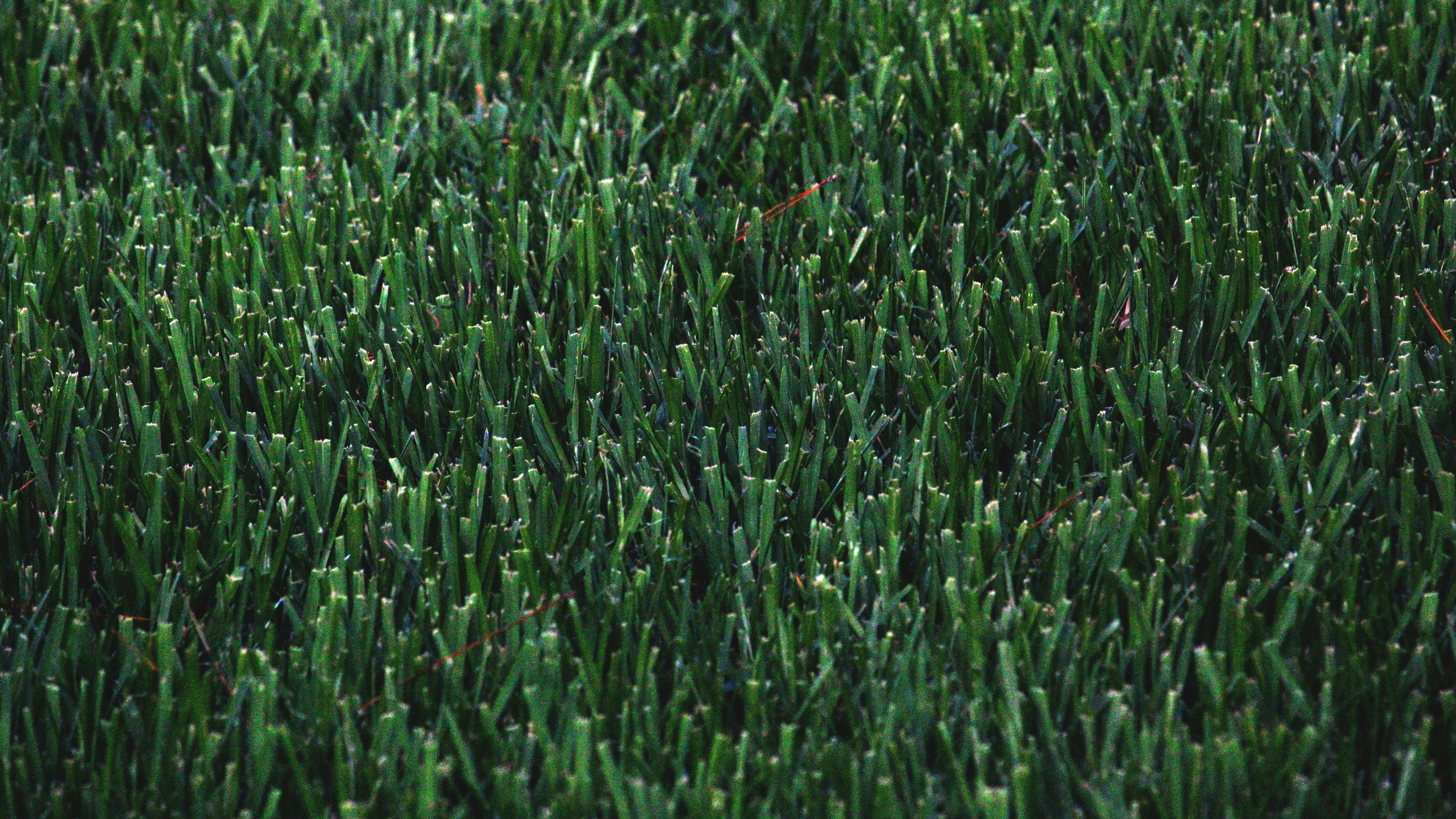
Installing sod is one of the fastest ways to get a thick, usable lawn, but in East Tennessee, timing and preparation matter as much as the grass itself. We have seen brand new sod thrive when it is laid at the right time, and we have also seen it fail when it is installed right before a heat wave, over compacted clay, or without a consistent watering plan.
If you are planning a yard renovation in Kingston, TN or nearby, this guide breaks down when to install sod in East TN, how temperature and rainfall affect rooting, and exactly how to prep your site so your investment sticks. We will also cover sod vs seed in East Tennessee, since the best option depends on your timeline, sun exposure, and how much control you have over watering.
The best time to lay sod in Tennessee (East TN timing that actually works)
East Tennessee sits in a transition zone with hot, humid summers and variable shoulder seasons. In Roane County and surrounding areas, the best sod installation window depends on whether you are installing cool season sod (most commonly tall fescue) or warm season sod (most commonly bermuda).
Cool season sod (tall fescue): early fall is the sweet spot
For most homeowners in our area, tall fescue is the go to lawn because it handles partial shade and stays greener longer. For fescue sod installation in East Tennessee, we see the most consistent results when you install in early fall, typically late August through October, depending on the year.
Why fall works so well here:
- Warm soil, cooler air: Roots grow aggressively when soil temps are still warm, even as daytime highs drop.
- Less heat stress: New sod struggles in 90 degree heat. Fall reduces that risk.
- More reliable rainfall: We often get more consistent moisture patterns than midsummer.
- Fewer weeds: You still need weed control, but pressure is generally lower than spring.
If you are deciding between grass types, our local comparison can help: Best Grass for East Tennessee Lawns: Fescue vs Bermuda.
Spring is a strong second choice (with one big caution)
Spring sod installation can work very well in East TN, especially March through early May, when the soil is workable and nights are not too cold.
The caution is simple: spring can jump into summer quickly. If you lay sod late in spring and then we get an early hot spell, you must be ready to water correctly or the sod can dry out before it knits into the soil.
Warm season sod (bermuda): late spring through summer is normal
Bermuda sod is typically installed when it is actively growing, usually late April through July. Bermuda loves heat and sun, but it still needs moisture to establish.
In practice, we recommend bermuda sod when:
- The yard gets full sun most of the day.
- You want a lawn that recovers quickly from kids, pets, and traffic.
- You can stay on top of watering during the first few weeks.
Can you install sod in winter in East Tennessee?
Sometimes, but we treat it as a special case. Dormant sod can be installed in winter, but establishment is slower and the margin for error is smaller. If the ground is frozen, saturated, or you cannot keep foot traffic off it, winter is not ideal.
In our experience, homeowners who succeed with winter installs usually have:
- A clear reason for the timing (new construction schedule, erosion control, HOA deadline)
- A plan for drainage and surface stability
- Realistic expectations that green up and strong rooting come later
How temperature and rainfall affect rooting (and why sod fails)
Sod installation in East Tennessee is really about one goal: getting roots to grow down into your soil before the grass gets stressed. The top looks finished on day one, but the lawn is not established until it is rooted.
What “rooting in” really means
New sod survives by pulling moisture from the soil directly beneath it. At first, roots are shallow and weak. Over the first few weeks, you want the sod to “knit” into the soil so it cannot be lifted easily and it starts behaving like a normal lawn.
- If you can gently lift a corner and it comes up easily, it is not rooted yet.
- If it resists and you see roots grabbing soil, you are on the right track.
Temperature: soil warmth drives rooting speed
Air temperature matters, but soil temperature is the engine for root growth.
- In early fall, soil is warm from summer, which helps roots push quickly.
- In spring, soil warms gradually, so rooting can be slower early, then speed up.
- In midsummer, soil can be hot enough that the grass is focused on survival, not rooting, unless watering is consistent.
This is why the best time to lay sod in Tennessee is often fall for fescue. You get the rooting benefits without the brutal heat.
Rainfall: helpful, but not dependable enough to be your plan
East TN can get sudden heavy storms that look like a gift, but they can cause problems:
- Runoff on slopes can wash soil out from under edges.
- Puddling can suffocate roots, especially on compacted clay.
- Erosion can create low spots that show up after the first mowing.
We plan sod installs assuming you will water on schedule, and we treat rainfall as a bonus, not the strategy.
If your property tends to stay wet, solve that first. This is a common issue in our region, especially in low areas near creeks and lake influenced neighborhoods. You may find this helpful: How to Fix a Soggy Yard in Loudon Without Regrading Everything.
Sod vs seed in East Tennessee (how to choose for your yard renovation)
When sod is the better choice
We typically recommend sod when:
- You need a usable lawn fast (pets, kids, selling a home).
- You are renovating a sloped yard where erosion is a risk.
- You want more predictable results than seeding during a volatile weather stretch.
- You are changing grade or doing drainage work and want a clean finish.
Sod costs more up front, but it can reduce the time you spend battling bare spots and weeds.
When seed can make sense
Seeding can be a good fit when:
- You have a large area and budget is the main driver.
- You can keep the top layer consistently moist for several weeks.
- You are okay with a longer timeline and some patching.
In East Tennessee, seeding success often comes down to watering discipline and weed pressure management.
A hybrid approach we use often
For many renovations, we install sod in the high visibility areas (front yard, main backyard) and seed less visible zones. This balances cost and curb appeal.
Soil prep for sod (the checklist we use to prevent failure)
If you want sod to last, soil prep is where you win. In our region, the biggest obstacles are compacted clay, poor grading, and leftover debris from construction or old landscaping.
Below is the step by step soil prep for sod that we follow on professional installs in and around Kingston.
Step 1: Evaluate drainage and grading before you touch the soil
Before we bring in sod, we look for:
- Low spots that hold water after a rain
- Downspouts that dump onto the lawn
- Swales that need to carry water away
- Slopes that will shed soil under heavy rain
If grading is off, sod will not fix it. Sod will simply reveal it after the first storm.
If you need help correcting the base, this fits under our Landscaping work, and sometimes overlaps with Hardscaping when we are tying in edging, drains, or retaining features.
Step 2: Remove old grass, weeds, and debris completely
For renovations, we remove the existing turf and problem weeds. Leaving old grass clumps creates air pockets and uneven settling.
Common debris we find in East TN yards:
- Buried rocks and construction scraps
- Thin topsoil over red clay
- Old landscape fabric fragments
Clean removal makes the next steps actually work.
Step 3: Loosen and amend the soil (especially in clay)
Sod roots need oxygen and contact with soil. If the base is hard clay, roots struggle to penetrate.
What we aim for:
- Loosen the top 3 to 6 inches where possible
- Break up compaction so water can move down, not sideways
- Add organic matter if soil is low in structure
Step 4: Add topsoil where needed, but do it thoughtfully
Topsoil can help, but too much can create a “layer cake” where water sits between layers. We blend and grade so the transition is smooth.
We also watch finished grade around:
- Driveways and sidewalks
- Patios
- Drainage inlets
- Mulch beds and edging
Step 5: Final grade and firm the surface
This step is often skipped by DIY installs.
We want a surface that is:
- Smooth enough for mowing
- Sloped to drain away from the house
- Firm enough that footprints do not create ruts
Step 6: Starter fertilizer (only if appropriate)
Depending on grass type and soil test results, a starter fertilizer can support rooting. The key is not overdoing nitrogen, especially in hot weather.
If you are unsure, ask your sod supplier or a local pro. Overfertilizing new sod can cause burn and stress.
Step 7: Install sod immediately after prep
Sod is perishable. Once it arrives, it needs to be installed quickly and watered.
Professional install details that matter:
- Stagger seams like bricks, do not line them up
- Butt edges tight, do not overlap
- Cut around beds and hard edges cleanly
- Roll the sod to ensure soil contact
If the sod is bridging over high spots or sitting on air pockets, those areas dry out first.
New sod watering schedule (East TN reality, not a generic chart)
Watering is the number one reason homeowners call us after a sod install. The goal is to keep the sod and the top layer of soil consistently moist early on, then gradually transition to deeper, less frequent watering.
Important note: This is general guidance. Sun exposure, slope, wind, soil type, and irrigation coverage change everything. If you have an irrigation system or are considering one, this local overview is useful: Irrigation Systems in East Tennessee: Do You Need One?.
Days 1 to 7: Keep it consistently moist
- Water 2 to 4 times per day in short cycles.
- Focus on keeping the sod damp, not creating puddles.
- Hot, sunny, or windy days need more frequent cycles.
What we watch for on day two and three:
- Corners curling up
- Seams drying out
- Gray green color or footprints that stay visible
These are early signs the sod is drying.
Days 8 to 14: Reduce frequency, increase depth
- Water once per day, sometimes every other day depending on weather.
- Aim to wet the soil below the sod.
Test it by lifting a corner carefully. If the soil beneath is dry, you are not watering long enough.
Weeks 3 to 4: Transition toward normal lawn watering
- Water 2 to 3 times per week.
- Water deeper so roots chase moisture.
By this stage, mowing usually begins if the sod is rooted and the grass height is appropriate. Use a sharp blade and avoid turning hard on the new turf.
Common watering mistakes we see in Roane County lawns
- One long watering at midday that evaporates fast
- Short watering that only wets the blades, not the soil
- Overwatering low spots, leading to fungus and root rot
- Assuming rainfall covered everything when it only hit one side of the yard
If you want help keeping the lawn healthy after installation, our Property Maintenance team can support mowing, seasonal care, and ongoing upkeep.
A real-world East TN sod scenario (what we plan for in Kingston and nearby)
Here is a common situation we run into in Kingston, Lenoir City, and parts of Knoxville: a homeowner removes old shrubs, reworks a bed line, and then wants sod to “finish” the yard before an event or before listing the home.
The hidden issue is usually the base:
- The old bed had years of mulch and organic matter.
- The adjacent lawn is compacted from traffic.
- Downspouts may be dumping right where the new sod will go.
If we install sod without correcting that transition, you often get a visible line where one side stays wet and the other dries out. Our fix is straightforward: we regrade the transition, loosen the compacted zone, and set the watering plan based on exposure.
If you are planning a yard renovation in Kingston TN and want the lawn to look consistent, treat sod as the last step, not the first.
When to call a pro for sod installation in East Tennessee
DIY sod can work, especially for small, flat areas with good soil. We recommend bringing in a pro when any of the following are true:
- You have slope, drainage issues, or standing water.
- You are renovating more than a small patch and need consistent grade.
- You need the job done fast, with less risk.
- You want help selecting grass type and scheduling for the best season.
We install and maintain lawns across Roane County and nearby communities, including Knoxville and Lenoir City. Local timing and soil conditions change from neighborhood to neighborhood, so having a team that understands East TN clay, rainfall patterns, and summer stress makes a big difference.
Conclusion: Pick the right window, then win with prep and watering
If you are trying to decide when to install sod in East TN, start with your grass type and your ability to water consistently. For most fescue lawns, early fall is the best time to lay sod in Tennessee because warm soil helps rooting and cooler air reduces stress. Spring can also work well if you avoid the late spring rush into heat. Bermuda sod performs best when it is actively growing in late spring and summer, as long as you keep up with moisture.
No matter the season, the difference between success and failure is usually the same: solid grading, proper soil prep for sod, tight installation, and a realistic new sod watering schedule.
If you are planning a yard renovation in Kingston, TN or nearby and want help with sod installation, drainage, or full landscape improvements, explore our Landscaping services and reach out. We will help you choose the right timing and build a lawn that holds up in East Tennessee weather.


