

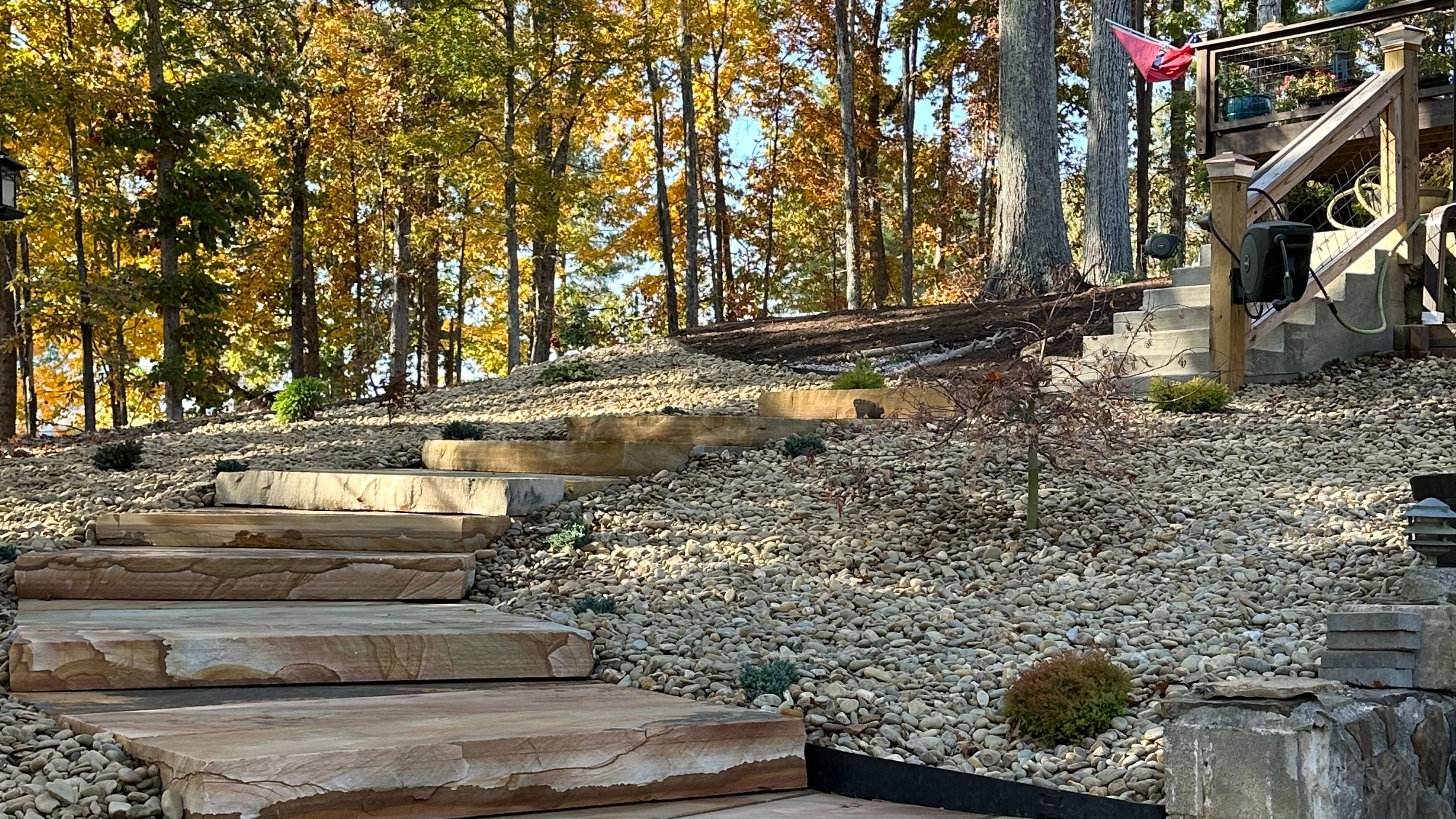
Commercial property maintenance in Oak Ridge is easiest when you stop reacting to problems and start running a plan. In our part of East Tennessee, spring growth comes fast, summer heat stresses turf, and sudden storms can turn a clean site into a safety issue overnight. For small commercial properties, that unpredictability can lead to complaints, trip hazards, and budget surprises.
At Rock Solid (based in Kingston and working throughout the Oak Ridge area), we build maintenance programs that match local conditions, your site’s usage, and your risk profile. This annual checklist is designed for property managers and small business owners who want a predictable, professional routine. You will get a month-by-month landscape maintenance schedule with mowing cadence, shrub pruning timeline, mulch refresh timing, seasonal cleanup services, storm cleanup priorities, and practical risk reduction.
We will also cover how to budget for the year, what to put in a vendor scope of work, and how to avoid the most common gaps we see when sites are maintained “as needed.” Use this as a working document, then adjust for your turf type (fescue vs bermuda), foot traffic, irrigation, and any special features like retaining walls, lighting, or drainage.
How to use this grounds maintenance checklist (and why Oak Ridge timing matters)
Oak Ridge climate realities that affect scheduling
In Oak Ridge, we typically plan around:
- Fast spring flush (often March through May) that drives mowing frequency and weed pressure.
- Humid summer stress (June through August) that increases disease risk, irrigation demand, and heat damage.
- Leaf volume in fall (October through December) that can smother turf, clog drains, and create slippery walkways.
- Freeze-thaw cycles (winter) that can heave edges, loosen pavers, and expose drainage issues.
If your property sits near wooded edges, creeks, or shaded corridors (common around many Oak Ridge commercial sites), you will also see more leaf litter, moss, and drainage challenges.
Baseline service levels for small commercial properties
Most small commercial properties run well on:
- Mowing: weekly in peak growth, then biweekly during slower periods (with weather-based adjustments).
- Bed maintenance: monthly touch-ups, with heavier seasonal visits.
- Pruning: targeted timing by plant type, not a one-size-fits-all approach.
- Mulch: one major refresh per year, plus spot top-offs where needed.
- Seasonal cleanup services: spring detail clean, fall leaf management, and storm response as needed.
If you want a turnkey plan, our Property Maintenance programs are built around these rhythms, with documentation that helps managers stay ahead of issues.
Month-by-month commercial lawn care plan and landscape maintenance schedule
Below is a practical calendar for commercial property maintenance in Oak Ridge TN. Think of it as the “default,” then adjust for your site conditions and your tenant expectations.
January: Safety first, winter site checks
January is about risk reduction and protecting hardscape and turf during dormancy.
- Debris patrol after wind events: limbs, signage hazards, trash accumulation.
- Drainage checks: clear inlets, swales, and downspout outlets so winter rain does not pond and refreeze.
- Hardscape walk-through: look for lifted pavers, loose step edges, and settling that can create trip points.
- Bed edging inspection: note areas that will need redefinition in spring.
- Salt and ice melt planning: confirm who is responsible for walkways and entries.
Budget note: January is a good time to schedule any repairs that require access before spring growth hides problems.
February: Pre-spring prep and pruning strategy
February is often the best window to plan pruning before spring growth accelerates.
- Structural pruning on many dormant shrubs and small trees (site-specific and species-specific).
- Ornamental grass cutbacks (before new shoots emerge).
- Weed prevention planning: line up pre-emergent timing for turf and beds.
- Irrigation review if you have a system: identify broken heads, coverage gaps, and freeze damage.
Pruning reminder: avoid “shearing everything into boxes.” For commercial sites, selective pruning improves plant health and reduces the need for constant touch-ups.
March: Spring kickoff, pre-emergent, first growth surge
March is where a clean site starts to separate from a messy one.
- First full spring cleanup: remove winter debris, cut back perennials, tidy beds.
- Edge beds and sidewalks: crisp edges make the whole property look maintained.
- Apply pre-emergent (timing depends on soil temps and target weeds).
- Mowing cadence begins: often every 7 to 10 days as growth ramps.
- Inspect for drainage and soggy zones: address before traffic compacts soil.
If you deal with heavy rain and soft ground, the mowing plan should include rut prevention and “no-mow” thresholds. Our guidance in this Knoxville-focused post still applies to Oak Ridge conditions: Lawn Care After Heavy Rain in Knoxville: Prevent Mud & Ruts.
April: Peak curb appeal month, detail work pays off
April is prime time for first impressions.
- Weekly mowing for most sites.
- Bed weed control: hand pull plus targeted treatments (as appropriate).
- Shrub pruning window for spring-flowering shrubs (prune after bloom if needed).
- Mulch planning: measure bed square footage and decide on depth.
- Annual color installs (optional): plan around entrances and signage.
Mulch tip: For most commercial beds, we aim for 2 to 3 inches after cleanup. More than that can smother roots and create moisture problems against trunks.
May: Mulch refresh timing, irrigation ramp-up
May is often the best month for the main mulch refresh in Tennessee because soil has warmed and weeds are actively competing.
- Mulch refresh: top-off or full refresh depending on bed condition.
- Mowing: weekly, sometimes more often on fast-growing bermuda.
- Shrub pruning timeline: light shaping on evergreen shrubs, avoid heavy cuts that expose tender growth.
- Irrigation start-up: set schedules based on rainfall, not the calendar.
- Pest scouting: early detection prevents expensive replacements.
If you are comparing mulch materials and longevity, this guide is helpful for East Tennessee decision-making: Mulch vs Pine Straw in Knoxville: Costs, Pros and Cons for East Tennessee Beds.
June: Summer mowing cadence and stress management
June is when turf and ornamentals start feeling the heat.
- Mowing cadence: weekly is common, but adjust height upward to reduce stress.
- String trimming and edging: keep around curbs, sign bases, and fence lines.
- Spot spray weeds: especially in cracks, gravel margins, and bed edges.
- Irrigation audits: look for dry arcs and overspray onto sidewalks.
- Mulch touch-ups in high-traffic beds where displacement occurs.
Risk reduction: keep sightlines clear at entrances and intersections. Overgrown shrubs near drive lanes are a liability issue, not just an appearance issue.
July: Heat, storms, and proactive storm cleanup
In Oak Ridge, July often brings intense heat plus pop-up storms.
- Mowing: continue weekly if growth supports it, avoid mowing during extreme heat when possible.
- Storm cleanup readiness: prioritize fallen limbs, blocked access points, and debris on walkways.
- Pruning: limit to safety and clearance cuts, save heavy work for cooler windows.
- Disease monitoring: brown patch and other fungal issues can flare in humidity.
- Irrigation adjustments: deep, infrequent watering is usually better than daily shallow cycles.
Vendor note: storm cleanup should be clearly defined in your scope of work. Decide what is included, what triggers an extra charge, and the response time expectations.
August: Late-summer triage and fall planning
August is when small issues become expensive if ignored.
- Mowing: maintain higher cut heights.
- Bed maintenance: keep weeds from seeding.
- Evaluate thin turf areas: plan aeration and overseeding (for fescue) or renovation timing.
- Inspect hardscape drainage: summer storms reveal where water is moving incorrectly.
- Tree and shrub assessment: identify deadwood and hazards before fall winds.
If your site includes slopes, retaining walls, or drainage corridors, late summer is a smart time to plan improvements before fall rains. For retaining wall concerns in the area, see: Retaining Wall Repair in Oak Ridge, TN: Signs It’s Failing (And What to Do Next).
September: The most important month for cool-season turf
For many Oak Ridge commercial lawns (especially fescue), September is the make-or-break month.
- Core aeration and overseeding (cool-season turf): improves density and reduces winter weed invasion.
- Fertilization: based on turf type and goals.
- Mowing: still active, often weekly.
- Bed refresh: remove summer annuals, prep for fall color if desired.
- Pruning: avoid stimulating tender growth too late in the season.
If you want a detailed East Tennessee calendar for aeration and overseeding, we recommend: When to Aerate & Overseed Lawns in East Tennessee (A Practical Calendar for Thick, Healthy Turf).
October: Leaf management becomes the schedule
October is when leaf volume starts affecting safety and turf health.
- Leaf blowing and pickup: schedule it, do not wait for “end of season.”
- Keep drains and inlets clear: leaf mats cause flooding and slick surfaces.
- Mowing cadence: may slow, but keep mowing as long as turf is growing.
- Final mulch touch-ups: optional, mostly for appearance and winter weed suppression.
- Perennial cutbacks: selective, depending on plant type and desired winter interest.
Operational tip: for commercial properties, leaf management should include a plan for parking lots, sidewalks, loading areas, and dumpster pads, not just turf.
November: Final pruning window and winterization
November is about setting the site up to look intentional through winter.
- Final leaf cycles: especially after major drops.
- Shrub pruning window: light corrective pruning and clearance work.
- Bed cleanup: remove spent annuals, tidy edges.
- Protect vulnerable plants: adjust mulch away from trunks, avoid piling.
- Irrigation winterization: if applicable.
If you maintain seasonal color, Oak Ridge planting timing matters. This post is a helpful companion for planning beds: Seasonal Flowers Oak Ridge TN: What Thrives and When (Month-by-Month Planting Guide).
December: Dormant season standards and documentation
December is quieter, but it is a great month to tighten your plan.
- Final site cleanup: remove remaining leaves, litter, and storm debris.
- Hardscape inspection: note trip hazards and drainage concerns for repair scheduling.
- Winter mowing: only as needed, depending on growth.
- Document issues: dead plants, erosion, bare areas, lighting outages near walkways.
Management tip: end-of-year documentation helps you justify next year’s budget and prevents “surprise” replacements.
Key timing details: mowing cadence, shrub pruning timeline, mulch schedule Tennessee
Mowing cadence rules of thumb for commercial lawns
- Never remove more than one-third of the blade in a single mowing when possible.
- Weekly mowing during peak growth is common in Oak Ridge, especially April through June.
- Biweekly mowing can work in slower growth periods, but only if turf height is managed and weeds are controlled.
- Adjust mowing heights seasonally. Higher cuts in summer help shade soil and reduce heat stress.
Also, define what “a mowing visit” includes. For commercial properties, we consider mowing incomplete if trimming, blowing, and curb line cleanup are skipped.
Shrub pruning timeline (what we do and what we avoid)
Pruning mistakes are one of the fastest ways to create long-term plant problems.
- Spring-flowering shrubs: prune after flowering if shaping is needed.
- Evergreens and foundation shrubs: light shaping in late spring or early summer, then minimal touch-ups.
- Avoid heavy pruning in late summer and fall: it can push tender growth that is more likely to be damaged by cold snaps.
- Prioritize clearance and safety year-round: keep branches off walkways, signage, and sightlines.
If you want shrubs that look good with fewer interventions, plant selection matters. This resource is helpful for our region’s soils and humidity: Best Low-Maintenance Shrubs for East Tennessee Clay Soil.
Mulch refresh timing and depth
For most sites, the best mulch schedule Tennessee properties can rely on is:
- Primary refresh: April or May.
- Spot top-offs: mid-summer in high-visibility beds.
- Optional fall touch-up: if beds are thin, washed out, or you need a cleaner winter look.
Depth target: 2 to 3 inches. Keep mulch pulled back from the base of shrubs and trees to reduce rot and pest issues.
Risk reduction: what commercial maintenance should prevent
In commercial landscaping, the goal is not just “looks nice.” It is “looks nice and reduces incidents.” Here are the most common risk areas we plan around in Oak Ridge.
Slip, trip, and fall hazards
- Uneven pavers or settling edges
- Overgrown groundcover encroaching on sidewalks
- Leaf buildup on shaded walkways
- Mud tracking from bare areas near entrances
Visibility and access
- Shrubs blocking signage or driveway sightlines
- Tree limbs over parking areas
- Vegetation blocking lighting
Water management problems
- Downspouts dumping onto sidewalks
- Clogged drains from leaves
- Erosion at curb cuts and swales
If your site regularly ponds or stays soggy, do not just “mow around it.” Drainage fixes usually cost less when addressed early, before soil compaction and turf loss spread.
Budgeting your annual maintenance (and avoiding surprise line items)
Most owners and managers are not trying to underfund maintenance. They just want predictable numbers and fewer emergency calls.
Build your budget in four buckets
We recommend planning annual costs in these categories:
- Routine visits: mowing, trimming, blowing, bed touch-ups.
- Seasonal cleanup services: spring detail, fall leaf cycles, winter debris patrol.
- Horticulture and turf health: fertilization, weed control, aeration, overseeding, mulch.
- Repairs and improvements: drainage corrections, plant replacements, hardscape repairs.
Decide what you want to be “fixed fee” vs “time and materials”
For small commercial properties, we often see success with:
- Fixed monthly pricing for routine maintenance and planned seasonal tasks.
- Defined allowances for mulch, plant replacements, and storm cleanup.
- Time and materials for non-recurring repairs, with approval thresholds.
This structure prevents the common problem where the site looks great in May, then slowly declines because nobody approved the “extra” visits that were actually predictable.
Vendor scope of work: what to put in writing
If you are comparing bids or tightening up an existing contract, your scope of work matters more than the headline price.
Minimum scope items we recommend
- Mowing frequency range (weekly vs biweekly) and weather delay policy
- What is included each visit (mow, trim, edge as needed, blow hard surfaces)
- Bed maintenance frequency and what “bed maintenance” means (weeding, cultivating, litter removal)
- Mulch schedule (timing, depth, material type)
- Shrub pruning timeline (light shaping vs heavy renovation, clearance standards)
- Leaf management plan (number of cycles, what areas are included)
- Storm cleanup (response time, included debris size, hauling expectations)
- Reporting (photos, notes, irrigation issues, safety hazards)
A real-world example of scope clarity
On a small office property, “weekly mowing” sounds straightforward until you realize the vendor is not edging curbs, is not trimming around sign bases, and is leaving clippings on sidewalks. The lawn is technically cut, but the property looks unmanaged.
When we write scopes, we define finish details because that is what tenants and customers notice first.
When to bring in pros (and how our team supports Oak Ridge properties)
Some owners handle pieces in-house, especially for very small sites. That can work if the schedule is realistic and the team has the right equipment. The challenge is consistency, especially during spring growth and fall leaf season.
If you want a single partner for predictable year-round care, we can help with:
- Routine grounds upkeep through our Property Maintenance programs
- Enhancements and upgrades through Landscaping
- Hardscape repairs and improvements through Hardscaping
We are based in Kingston and regularly serve Oak Ridge and surrounding communities. That local presence matters when weather shifts quickly and you need a vendor who can respond.
Conclusion: turn this checklist into a predictable annual plan
Commercial property maintenance in Oak Ridge works best when you plan the year, not just the next mow. Use the month-by-month checklist to set mowing cadence, schedule pruning at the right windows, lock in your mulch refresh timing, and build seasonal cleanup services into your contract. You will protect curb appeal, reduce safety risks, and avoid budget surprises.
If you would like us to turn this calendar into a site-specific landscape maintenance schedule, we can walk the property, identify risk areas (drainage, visibility, trip hazards), and propose a clear scope of work with predictable pricing. Explore our Property Maintenance options, or reach out through our Oak Ridge service page to get started.


