

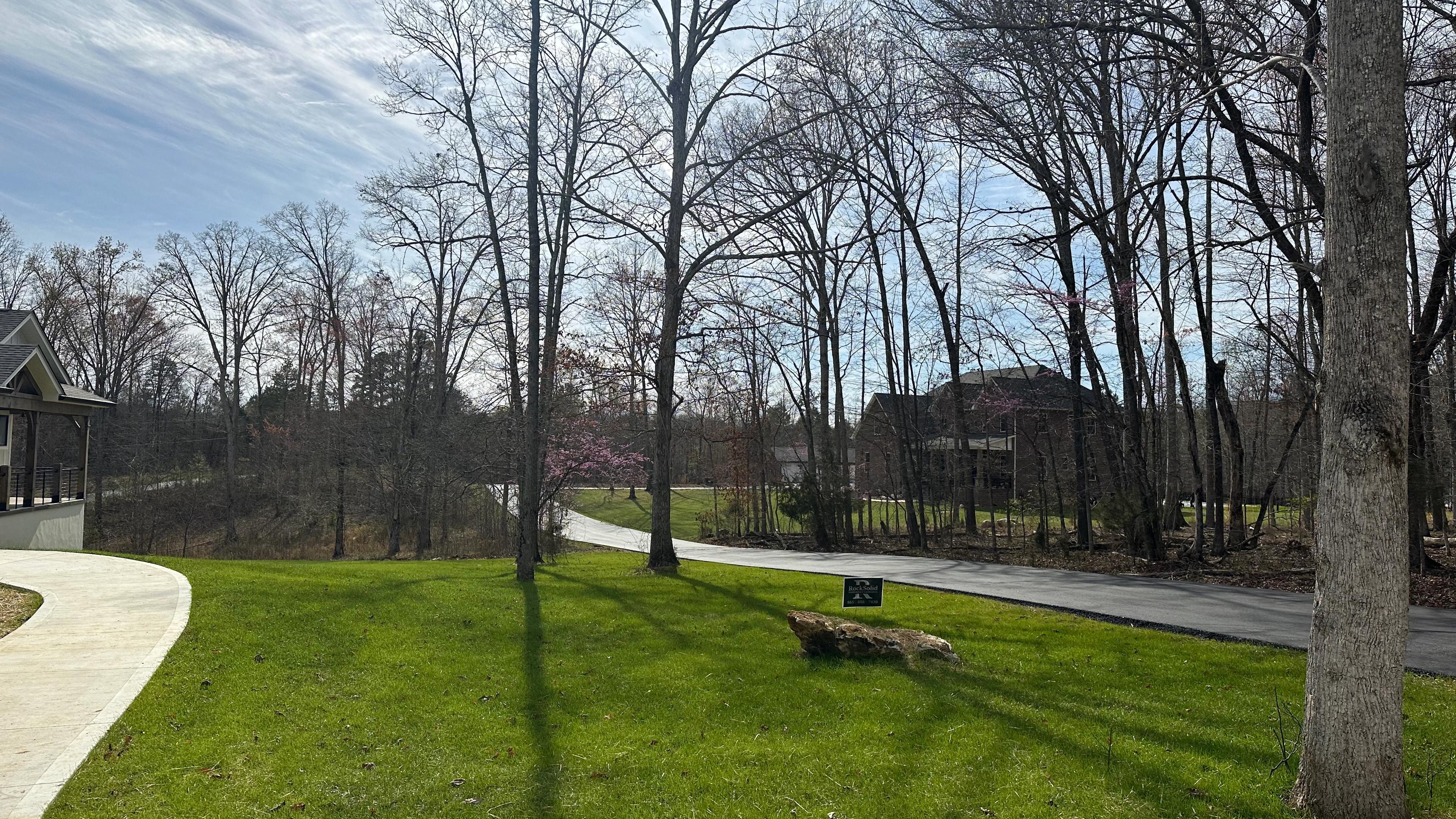
Spring in Kingston hits fast. One week we are watching frost on the mornings near Watts Bar Lake, and the next we are mowing, fighting weeds, and wondering why our mulch washed out after a heavy East Tennessee rain. If you want a yard that looks sharp and stays healthier through summer, a spring reset is the best investment you can make.
In this guide, we are sharing the same seasonal cleanup checklist we use on properties across Kingston and the surrounding area. You will learn what to cut back (and what to leave alone), how to get crisp bed lines with smart edging, the best mulch timing for East Tennessee, and how to think about pre emergent timing in Tennessee without wasting money or harming desirable plants. We will also cover debris removal, lawn prep for spring in Tennessee, and a few common mistakes we see every year.
If you would rather hand the whole process off, our team can help with Property Maintenance, full Landscaping, and outdoor upgrades through Hardscaping. We work out of Kingston and serve nearby communities throughout Roane County and beyond.
Spring yard cleanup Kingston TN: A quick plan before you start
Before you pick up pruners or fire up the blower, take 10 minutes to plan. It saves time, prevents plant damage, and helps you prioritize what actually moves the needle on curb appeal.
Step 1: Walk the property and note winter damage
We do a perimeter walk first, then a slow pass through planting beds and turf. Look for:
- Broken limbs hanging over driveways, patios, and play areas
- Heaved pavers or settled edges where freeze-thaw and water flow shifted material
- Erosion channels where downspouts or slopes concentrated runoff
- Bare soil where mulch thinned out and weeds will germinate first
- Soft spots in the lawn that stay soggy (often a drainage or compaction issue)
Kingston soils often have clay content, which means they hold water and compact easily. If you see puddling in the same place every spring, do not ignore it. That spot will struggle all season.
Step 2: Choose your cleanup window
In our area, spring cleanup is usually best tackled in phases:
- Late winter to early spring: cutbacks, debris removal, bed edging
- Early to mid spring: pre-emergent timing, first mowing, light fertilization (as appropriate)
- Mid spring: mulch install once soil warms and the bulk of pruning is complete
Trying to do everything on the first warm weekend can backfire, especially if we get a cold snap after you prune or you mulch too early and slow soil warming.
Step 3: Gather the right tools (and keep them clean)
- Hand pruners for small stems
- Loppers for thicker shrubs
- Pruning saw for larger limbs
- Flat shovel or bed edger for crisp lines
- Rake, leaf blower, and tarp for debris removal
- Gloves and eye protection
If you are pruning multiple shrubs, wipe blades with rubbing alcohol between plants, especially if you notice dieback or cankers.
Cutbacks and pruning shrubs spring: What to trim, what to wait on
Pruning is where we see the most accidental damage in spring. The goal is not to shear everything into a ball. The goal is to remove dead material, encourage healthy growth, and avoid cutting off this year’s blooms.
Perennials and ornamental grasses
For most common perennials in East Tennessee, spring cutbacks are straightforward:
- Cut dead stems back to 2 to 4 inches once you see new growth at the base.
- For ornamental grasses, tie the clump with twine, then cut 4 to 6 inches above ground before green blades get tall.
If you cut too late, you end up slicing new growth and it looks ragged for weeks.
Shrubs: timing depends on bloom type
- Spring bloomers that flower on old wood (like azaleas and many hydrangeas): prune right after flowering, not early spring.
- Summer bloomers that flower on new wood (many spireas, some hydrangeas): light shaping and thinning can be done in early spring.
If you are unsure, do a conservative prune in spring. Remove dead, damaged, and crossing branches, then wait to shape until you confirm bloom timing.
Trees and safety pruning
If you have limbs over your roofline, driveway, or walkways, prioritize safety. Remove broken or rubbing branches and anything clearly dead. For larger limbs, we recommend professional help. Improper cuts can create long-term decay and liability issues.
Pro tip: thin first, then shape
When we do pruning shrubs spring work, we start by thinning from the interior to improve airflow. That reduces disease pressure in humid East Tennessee summers. Then we step back and lightly shape for a natural look.
Debris removal: Leaves, sticks, and the stuff that hides problems
Debris removal is more than making the yard look tidy. It is how you prevent fungus, insects, and weeds from getting a head start.
What to remove from beds
- Matted leaves that block sunlight and trap moisture
- Sticks and seed pods that make edging and mulching harder
- Old annuals and spent containers
If leaves are lightly scattered, you can shred and compost them. If they are matted in beds, remove them. Matted leaves in spring often lead to mold and slow warm-up.
What to do in the lawn
- Rake out heavy leaf layers that smother turf
- Remove fallen branches before the first mowing
- Check for thatch buildup (especially if you have bermuda)
Avoid aggressive dethatching on cool-season fescue lawns in early spring. It can stress turf right as weeds start to compete. If you are unsure what grass you have or how it should be treated, our guide Best Grass for East Tennessee Lawns: Fescue vs Bermuda breaks down timing and care differences.
Pro tip: watch where debris collects
In Kingston yards, debris often piles where water flows: at the bottom of slopes, along drive edges, and near downspout outlets. Those are also the places mulch washes out and weeds thrive. Cleaning them now helps you spot drainage issues early.
Bed edging tips: How to get clean lines that last
Crisp edging is one of the fastest ways to make a yard look professionally maintained, even before plants fully leaf out. It also helps keep mulch in beds and grass out.
Step-by-step edging method we use
- Define the bed line with a garden hose or marking paint if you are reshaping.
- Cut a clean edge 3 to 4 inches deep with a sharp spade or mechanical edger.
- Remove the strip of turf and soil, then rake the bed smooth.
- Create a slight trench (a small V-shape) on the bed side to catch mulch.
Common edging mistakes in East Tennessee
- Making beds too narrow. Narrow beds dry out faster and look sparse.
- Cutting too shallow. Shallow edges disappear after a few rains.
- Edging after mulching. You end up throwing mulch into the lawn.
Pro tip: widen beds where the mower struggles
If you have tight curves near trees or fence lines, widening the bed by even 6 to 12 inches reduces string trimming and scalp marks. It is a practical upgrade that pays off every week.
If you want a bigger refresh, this is also the time of year we help homeowners redesign planting beds for better flow and easier maintenance through our Landscaping services.
Mulch timing East Tennessee: When to mulch, how much, and what to avoid
Mulch is one of the most misunderstood parts of spring cleanup. Done right, it stabilizes soil moisture, reduces weeds, and protects roots from temperature swings. Done wrong, it can slow soil warming, invite pests, or smother plants.
The best mulch timing in East Tennessee
We typically recommend mulching after:
- You have finished most cutbacks and pruning
- Soil has started to warm consistently
- You have applied pre-emergent (if you plan to) and it has been watered in
In practical terms for Kingston, that often means mid spring rather than the first warm weekend. If you mulch too early and then we get a cold snap, you can slow plant wake-up and keep soil too cool and wet.
How much mulch is enough
Aim for 2 to 3 inches of mulch in most beds.
- Less than 2 inches does not block weeds well.
- More than 3 inches can reduce oxygen to roots and encourage rot.
Keep mulch pulled back 2 to 3 inches from the base of shrubs and tree trunks. Avoid mulch volcanoes. They trap moisture against bark and can lead to disease and girdling roots.
Choosing mulch for Kingston properties
Most homeowners choose hardwood mulch or pine-based products. The best choice depends on:
- Slope and washout risk
- Desired color and fade rate
- Budget and how often you want to refresh
If your beds are on a slope, we often focus on better edge definition and correct depth rather than simply adding more mulch. Too much mulch on a slope is just more material to wash away.
Pro tip: mulch is not a weed cure
Mulch helps, but it does not replace pre-emergent or hand weeding. If weeds are already up, mulch can hide them and make them harder to pull later.
Pre emergent timing Tennessee: How to stop weeds before they start
Pre-emergent herbicides prevent many annual weeds by stopping seeds from successfully germinating. The timing matters more than the product name.
What timing looks like in our area
For spring weeds like crabgrass, the goal is to apply before germination, then water it in. In East Tennessee, that often aligns with soil temperatures warming up in early spring.
Because weather swings year to year, we do not recommend choosing a calendar date and hoping for the best. Instead, watch patterns:
- When daytime highs become consistently mild and nights are less frosty
- When early spring weeds begin popping in sunny edges (a sign soil is warming)
Lawn vs beds: different approaches
- Lawns: pre-emergent can be very effective, but it must be applied evenly and watered in.
- Beds: pre-emergent is useful after cleanup and before mulching. It reduces the weed seed bank that germinates through mulch.
Important considerations and limitations
- Pre-emergent does not kill existing weeds.
- It can interfere with seeding. If you plan to overseed fescue, you need to choose products and timing carefully.
- Always follow the label. Rates, safety guidance, and restrictions matter.
If you are unsure, we can help you build a plan as part of ongoing Property Maintenance so you are not guessing each spring.
Lawn prep spring Tennessee: Mowing, feeding, and fixing thin spots
First mow: do it the right way
- Make sure the ground is firm enough to avoid ruts.
- Sharpen blades. Dull blades tear grass and increase disease risk.
- Do not cut more than one-third of the blade height at a time.
For fescue, we generally keep mowing height higher than most people expect. Taller fescue shades soil, reduces weed pressure, and stays healthier through heat.
Feeding and soil health
We see a lot of over-fertilization in spring. Too much nitrogen too early can:
- Push fast growth that requires more mowing
- Increase disease pressure
- Stress cool-season lawns when heat arrives
Fixing bare spots and drainage issues
If you have bare areas from winter traffic or water flow, address the cause first.
- Redirect downspouts or add splash blocks
- Improve grading in chronic puddle zones
- Consider adding a small drain solution if water stands for days
If you are dealing with erosion or a steep slope, a hardscape solution might be the right long-term fix. Our Hardscaping team often helps homeowners stabilize problem areas with retaining walls, steps, and better transitions.
Cleanups that boost curb appeal fast: Walkways, patios, and outdoor living areas
Spring cleanup is not only about plants. Hard surfaces collect algae, silt, and winter grime, especially in shaded Kingston yards.
Walkways and patios
- Sweep joints and edges before weeds root in.
- Check for low spots where water pools.
- Refill displaced gravel or joint material before it becomes a trip hazard.
If you are evaluating a new path or replacing an older walkway, our comparison guide Gravel vs Pavers for East TN Walkways: Pros, Cons, Costs can help you think through drainage, weeds, and long-term maintenance.
Beds around hardscapes
We often see mulch pushed onto pavers or against concrete edges. Pull it back and re-establish the edge line. That keeps surfaces cleaner and reduces moss and weed growth.
Lighting and visibility
Spring is a great time to check low-voltage lighting if you have it. Trim plants blocking fixtures and replace bulbs before summer gatherings. If you are thinking about upgrades for safety and curb appeal, Outdoor Lighting Ideas for Safer, Better Yards in Oak Ridge has practical ideas that work well across our service area.
A realistic spring cleanup checklist (printable-style)
Use this seasonal cleanup checklist as your step-by-step plan. We recommend tackling it over two weekends, or breaking it into short sessions.
Week 1: Reset and repair
- Walk the property, note drainage issues and winter damage
- Remove sticks, trash, and heavy leaf mats
- Cut back perennials and ornamental grasses
- Do conservative pruning shrubs spring work (dead, damaged, crossing branches)
- Edge beds and define borders
- Clean out gutters and check downspout discharge areas
Week 2: Prevent and protect
- Apply pre-emergent in lawn and beds (based on your plan and label guidance)
- First mow with sharp blades, correct height
- Spot treat or hand pull existing weeds
- Mulch at 2 to 3 inches once soil is warming (mulch timing East Tennessee matters)
- Refresh gravel, reset stepping stones, and sweep hard surfaces
- Inspect irrigation hoses or sprinklers for leaks and coverage
If you are managing multiple beds, mature shrubs, and a larger lawn, it is easy for spring cleanup to become an all-month project. That is exactly where our maintenance team can step in.
When to call a pro in Kingston (and what we handle for you)
Some spring tasks are perfect DIY projects. Others are where we see homeowners lose time or accidentally create bigger issues.
We recommend calling us when:
- You have large shrubs or trees that need structural pruning
- Beds need reshaping, not just edging
- Mulch keeps washing out and you suspect drainage or grading issues
- You want a consistent plan for weed prevention and seasonal color
- Your property has slopes, retaining concerns, or failing borders
We are based in Kingston and regularly help homeowners throughout Roane County, plus nearby areas like Knoxville, Lenoir City, Loudon, and Oak Ridge. If you want to understand what a full refresh looks like from evaluation to install, our post Landscape Design Process in Roane County: What to Expect walks through how we plan for East Tennessee conditions.
Conclusion: A cleaner start makes the whole season easier
If you want help pulling it all together, we would love to take a look at your Kingston property and build a practical, climate-aware plan. Explore our Property Maintenance options for ongoing care, or reach out for a larger refresh through Landscaping and Hardscaping.


