

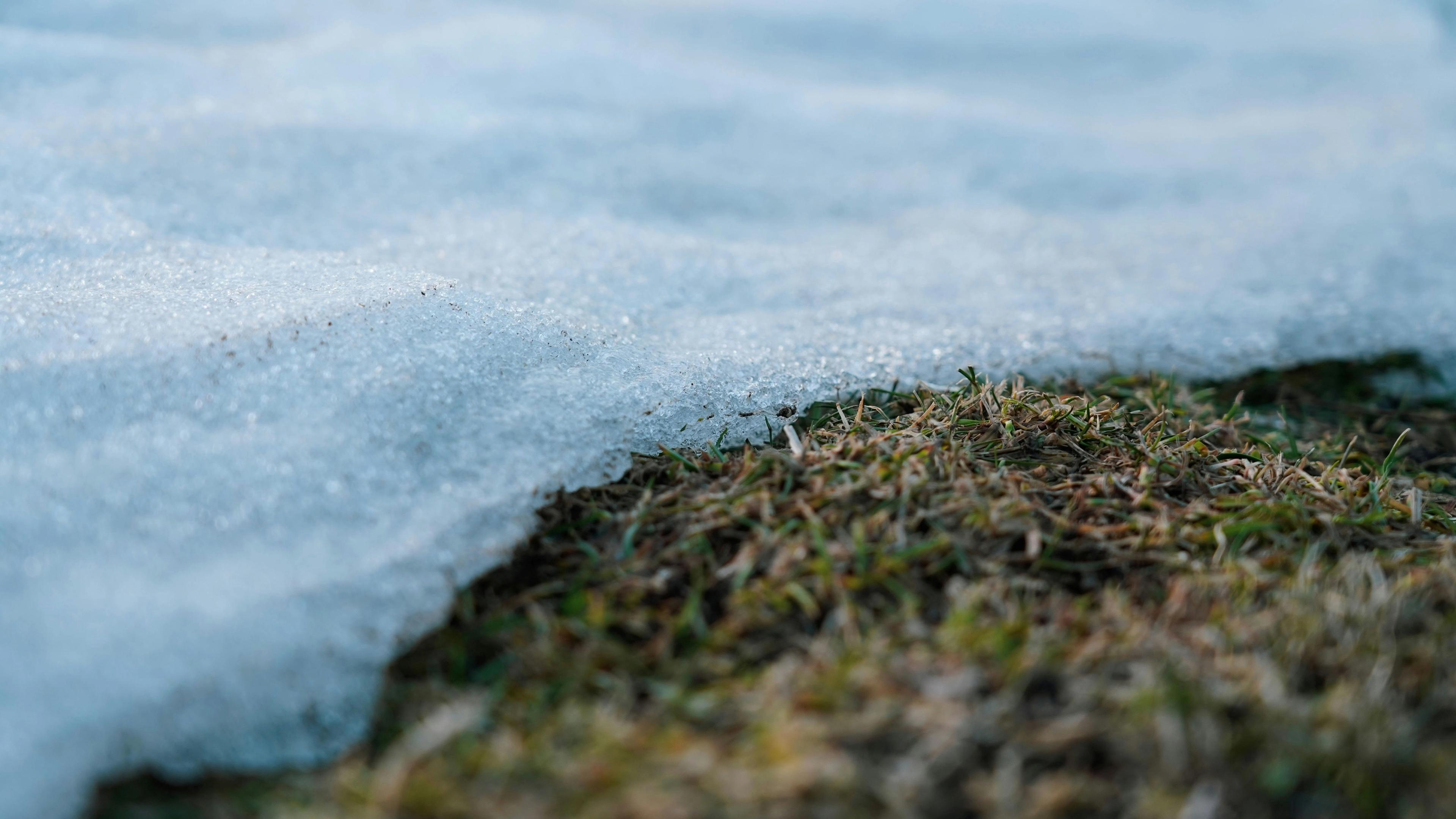
Winter in East Tennessee rarely looks like a long, steady deep freeze. Instead, we get temperature swings, cold rains, a few hard frosts, and the occasional snow or ice event. That pattern is exactly why winterize landscape East Tennessee homeowners and property managers should take freeze-prep seriously. Freeze-thaw cycles can split irrigation fittings, heave pavers, crack mortar, and stress plants that were perfectly healthy in October.
At Rock Solid in Kingston, Tennessee, we see the same story every spring: avoidable repairs that started with one missed step in late fall. The good news is that a smart, local, climate-aware checklist prevents most of it. In this guide, we will walk you through what to do before the first hard frost, how to protect plants from frost in Tennessee, how to handle irrigation winterization, and how to reduce freeze-thaw damage prevention issues in patios, walkways, retaining walls, and drainage.
Use this as a working checklist for your home or small business in Roane County, Knoxville, Lenoir City, Loudon, or Oak Ridge. If you want us to handle the heavy lifting, our Property Maintenance team can help you close out the season the right way.
Why East Tennessee freeze-thaw is hard on landscapes and hardscapes
East Tennessee winters are unpredictable. A week of 60 degree afternoons can be followed by a sudden cold snap that drops into the 20s overnight. That swing matters because water expands when it freezes. When water gets into soil pores, planter beds, cracks in concrete, joints between pavers, or behind retaining walls, it expands and creates pressure. Then it thaws, water moves again, and the cycle repeats.
Here is what we commonly see across the Kingston area and throughout Roane County:
- Frost heave in pavers and walkways when base materials were not compacted correctly or drainage is poor.
- Cracked mortar and loose caps on older retaining walls after repeated freeze-thaw.
- Broken irrigation components like backflow assemblies, above-ground valves, and exposed fittings.
- Plant root stress when warm spells prompt growth, then a hard frost hits.
- Mulch displacement and erosion during winter rains, especially on slopes and around downspout outlets.
When we design and install outdoor spaces through our Hardscaping and Landscaping services, we build for these conditions. For existing yards, winterizing is your best defense. Think of it as reducing water entry points, improving drainage pathways, and insulating what needs protection.
Freeze-prep checklist timeline: what to do before the first hard frost
If you only remember one thing, remember this: the best winter yard maintenance happens while you still have decent weather. In East Tennessee, the first hard frost often shows up in late October to mid November, but it varies by microclimate, elevation, and exposure.
2 to 4 weeks before expected hard frost
Use this window to handle tasks that require dry weather, time to cure, or a few weeks of plant recovery.
- Walk your property and note water problems
- Look for low spots that hold water after rain.
- Check downspouts and splash blocks.
- Identify areas where mulch washes out.
If you have recurring puddles or runoff carving channels, address drainage before winter if possible. Freeze-thaw damage is worse when water has nowhere to go. For a deeper drainage primer, see our post on Catch Basin vs Trench Drain: Outdoor Drainage 101 for East Tennessee.
- Prune selectively, not aggressively
In our region, heavy fall pruning can trigger tender new growth that gets zapped by frost. We recommend:
- Remove dead, diseased, or broken limbs any time.
- Avoid hard pruning on many flowering shrubs until late winter or after bloom, depending on species.
- Keep branches off roofs and gutters to reduce storm damage.
- Refresh bed edges and fix grading issues that direct water toward hardscape
A clean edge helps keep mulch in place and prevents soil from spilling onto patios and walkways. If you suspect grading is pushing water toward your foundation or patio, our local guide Kingston TN Yard Grading: Signs You Need Regrading is a helpful next step.
7 to 10 days before hard frost
This is the time for insulation and shutdown steps.
- Apply mulch for winter protection (details below)
- Wrap or protect sensitive plants
- Drain hoses and store attachments
- Schedule irrigation winterization
- Clean and store outdoor items that trap moisture against surfaces
24 to 48 hours before a freeze event
When a cold snap is forecast, focus on quick actions.
- Water certain plants if soil is dry (moist soil holds heat better than dry soil)
- Cover sensitive annuals and tender perennials
- Move container plants to a protected spot
- Verify irrigation is off and exposed components are protected
Protect plants from frost in Tennessee: what works in East TN (and what backfires)
Plant protection is not one-size-fits-all. In East Tennessee, the biggest mistakes we see are smothering plants with the wrong materials, mulching too early, or pruning at the wrong time.
Mulch for winter protection: how much, where, and when
Mulch is one of the highest value steps on any freeze prep checklist. It stabilizes soil temperature, reduces erosion from winter rain, and protects shallow roots.
Our practical guidelines for this area:
- Depth: Aim for 2 to 3 inches for most beds. For newly planted perennials or borderline hardy plants, you can go a little heavier, but avoid piling mulch against stems.
- Keep mulch off trunks and crowns: Leave a small gap around tree trunks and shrub stems to reduce rot and pests.
- Timing: Apply after nights start cooling consistently. If you mulch too early while soil is still warm, you can create a cozy habitat for pests and keep plants from hardening off.
- Slope strategy: On slopes, use a slightly chunkier mulch and maintain crisp edges so it does not wash downhill during heavy rain.
If you are weighing materials, our comparison guide Mulch vs Pine Straw in Knoxville: Costs, Pros and Cons for East Tennessee Beds breaks down what holds best in our climate.
Covering plants: breathable, dry, and timed right
If you are trying to protect plants from frost Tennessee weather, covers can help, but only when used correctly.
- Use breathable fabric like frost cloth, old sheets, or burlap. Avoid plastic directly on foliage because it can trap moisture and cause freeze burn.
- Anchor the cover to the ground so it traps warmer air near the soil.
- Put covers on before sunset on freeze nights and remove them the next morning once temperatures rise.
- Focus on tender plants and new plantings: young shrubs, late-season annuals, and recently installed perennials benefit most.
In our experience, the plants that surprise people are not always the tropical-looking ones. A plant that is marginally hardy can struggle more in a wet winter with temperature swings than in a consistently cold climate.
Container plants and raised planters: the fast-freeze problem
Containers freeze faster than in-ground beds. If you have pots on a patio or at an entry, take these steps:
- Move pots against a sheltered wall, ideally on the south or east side of the building.
- Group pots together to reduce exposure.
- Elevate slightly so the drain hole does not ice shut.
- Consider wrapping pots with burlap or insulating material.
If a container is too heavy to move, prioritize protecting the root zone. In East Tennessee, root damage is often the real killer, not the top growth.
Trees and shrubs: simple steps that prevent winter damage
- Deep water before extended dry cold: evergreens still lose moisture in winter.
- Protect thin-barked trees: young maples and similar species can get sunscald on warm winter afternoons followed by freezing nights.
- Do not over-fertilize late: pushing growth in late fall increases cold damage risk.
If you are planning new plantings next season, choosing species that handle clay soil and temperature swings reduces your annual winterizing workload. Our plant selection resources like Best Trees for East Tennessee Yards: Roots, Shade, and Clay can help you plan ahead.
Irrigation winterization in East Tennessee: what to shut down, drain, and protect
Irrigation winterization is one of the most expensive items to skip. A small crack in a backflow preventer or a split fitting can turn into a spring leak that erodes soil, undermines hardscape edges, and spikes your water bill.
We recommend thinking about irrigation in three zones: the water source, the distribution lines, and the emitters.
Step 1: Shut off water to the system
- Locate the irrigation shutoff valve and turn it off.
- If you have a dedicated irrigation meter or separate shutoff, use that.
- Confirm the controller is set to off or rain mode.
Step 2: Drain or blow out lines (the safest option depends on your setup)
In East Tennessee, many systems benefit from professional blowout using compressed air, especially where lines have low spots or the system was not built with perfect drainage.
General guidance:
- Manual drain systems: Open drain valves and allow water to empty from the lowest points.
- Automatic drain valves: These can help, but they are not foolproof, especially if sediment prevents proper sealing.
- Compressed air blowout: Often the most reliable way to reduce freeze risk, but it should be done carefully to avoid damaging components.
If you are not sure what type of irrigation you have or whether it is worth winterizing, our overview post Irrigation Systems in East Tennessee: Do You Need One? explains common system types and considerations.
Step 3: Protect above-ground components
Above-ground and exposed parts freeze first.
- Remove and store hoses.
- Drain hose bibs if you have interior shutoffs.
- Insulate exposed spigots and backflow devices.
- Protect pump housings if you use a lake pump or booster pump.
Step 4: Check drip irrigation and zone valves
Drip lines can hold water in low spots. Emitters can crack. Zone valves can trap water.
- Open end caps on drip lines to drain.
- Inspect filter housings and pressure regulators.
- Make sure valve boxes are not full of water.
If you manage a small business property, this is also the time to document your controller settings and zone layout. It makes spring startup faster and reduces troubleshooting.
Freeze-thaw damage prevention for patios, pavers, retaining walls, and steps
Hardscape is built to be outdoors, but it is not immune to East Tennessee winters. The key is keeping water from sitting where it can freeze, expand, and shift materials.
Pavers and patios: keep joints stable and water moving
If you have a paver patio, walkway, or driveway apron, focus on three things:
- Clear debris from joints and edges
Leaves and soil can trap moisture and encourage moss or algae in shady areas.
- Check for low spots and ponding
If you notice puddles after rain, that water is a freeze risk. Even a thin sheet of ice can widen joints over time.
- Avoid harsh deicers on certain surfaces
Some deicing products can damage concrete and contribute to efflorescence or surface scaling. Use traction products cautiously and follow manufacturer guidance.
If you are curious about long-term protection, especially for color enhancement and stain resistance, our guide Paver Sealing in East Tennessee: Do You Need It (Really)? explains when sealing helps and when it can cause issues in our humidity.
Retaining walls: winter is when drainage problems show up
In East Tennessee clay soil, retaining walls live or die by drainage. When water builds up behind a wall and freezes, pressure increases. That is when you see:
- Bulging or leaning
- Cracked caps
- Separation at joints
- Wet spots or seepage lines
Before winter, do a quick inspection:
- Make sure downspouts are not dumping behind the wall.
- Keep wall weep holes clear if you have them.
- Confirm surface water is directed away from the wall.
If you want a deeper look at why walls fail here, read Retaining Wall Drainage: Gravel, Pipe and Weep Holes Explained. It is one of the most important topics for freeze-thaw durability.
Steps, caps, and coping: reduce slip risk and movement
Outdoor steps and landings are high risk areas in winter because they collect water and become slippery. Our practical recommendations:
- Keep steps swept clean so water does not pool under leaf mats.
- Make sure lighting works before early sunsets.
- Address loose caps or wobbling step blocks now, not after ice makes it dangerous.
If you are planning new steps or replacing old ones, material choice and base prep matter. Our Hardscaping team builds steps with proper base depth, compaction, and drainage so they hold up through East Tennessee winters.
Winter yard maintenance: lawns, leaves, and soil protection (what we actually do in the field)
Winterizing is not only about plants and hardscape. A lot of spring headaches come from what happens to lawns and soil structure between November and March.
Leaves: remove from turf, use intentionally in beds
- Mulch-mow light leaf cover into the lawn if your mower can chop it finely.
- Rake or blow heavy leaf layers off turf, especially in shaded areas.
- Use shredded leaves as bed insulation if you keep them from matting. A thin layer under mulch can add organic matter over time.
For commercial properties, leaf management is also a safety issue. Wet leaves on sidewalks and entries are a slip hazard.
Final mow and lawn timing
In East Tennessee, cool-season lawns (like fescue) often benefit from a final mow that is not scalped. A moderate height helps reduce matting while still protecting crowns.
- Keep blades sharp to avoid ragged cuts.
- Avoid mowing frozen grass.
- Reduce traffic on saturated lawns to prevent compaction and ruts.
Soil and erosion control: winter rain can do more damage than snow
Most of our winter damage calls start with water movement, not snow load. If you have bare soil, new grading, or a disturbed area, protect it.
Options we use depending on the site:
- Straw or erosion control blankets on bare slopes
- Temporary groundcover or cover crop in larger areas
- Redirecting downspouts away from exposed soil
- Adding stone at discharge points to prevent washouts
If you are battling clay slope erosion, winter is when it accelerates. Our guide How to Stop Clay Soil Erosion on East TN Slopes outlines practical fixes that hold up in heavy rain.
A practical pre-freeze walkthrough for East TN homes and small businesses
If you want a simple way to apply this freeze prep checklist, do a 20 minute walkthrough with a notepad. We do this on many properties before we schedule winter maintenance.
Start at the street and work toward the house
- Check curb lines, driveway edges, and any areas where water enters the property.
- Look for sediment trails that indicate runoff paths.
Move to hardscape and high-use areas
- Patios, walkways, steps, and entries should drain cleanly.
- Confirm joints are not full of soil and leaves.
- Identify trip hazards that could become worse after frost heave.
Inspect beds and foundation plantings
- Confirm mulch depth is consistent.
- Pull mulch back from stems and trunks.
- Note any plants that struggled this year, they are likely to struggle in winter.
Finish with irrigation and water sources
- Shut off irrigation supply.
- Drain hoses and store splitters and timers.
- Insulate exposed spigots.
If you manage multiple sites, repeat this checklist and document what you find. A small repair now often prevents a bigger repair in spring.
Conclusion: winterize now, repair less in spring
Winterizing is not about doing everything perfectly. It is about doing the few high-impact steps that prevent costly damage. In East Tennessee, that means focusing on moisture management, insulation at the root zone, and protecting anything that can trap water and freeze. Mulch for winter protection, smart plant covers, proper irrigation winterization, and basic hardscape inspections go a long way toward freeze-thaw damage prevention.
If you are in Kingston, Roane County, Knoxville, Lenoir City, Loudon, or Oak Ridge and you would like a professional set of eyes on your property before the first hard frost, contact us. We can help with seasonal cleanups, winter prep, and ongoing care through our Property Maintenance services, and we can repair or upgrade outdoor spaces through our Landscaping and Hardscaping teams.


